

Andrew Burwell
Designer, astrophotographer, and Mac app developer. Founded Mac Observatory over 9 years ago to help astronomers get the most from their Macs. Now building native macOS apps for the astrophotography community. Based in Houston, TX.
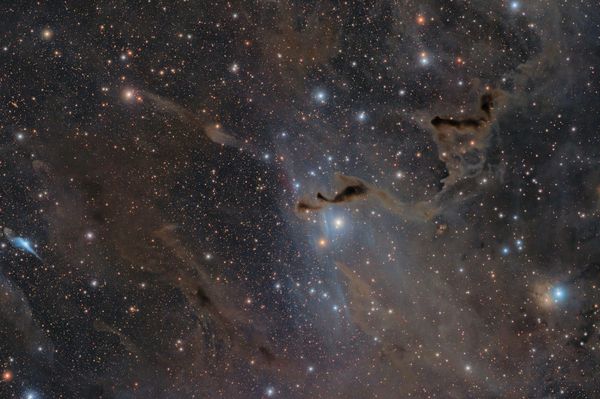
LDN 1357: The Hand Is Not Open
Sixteen hours of integration on vdB 8, vdB 7, vdB 9 and the dark cloud LDN 1357 in Cassiopeia, and a short story about an astronomer who learns why the star beside the Helping Hand beats like a heart.
Wind and Astrophotography: What One Gusty Night Did to My Stars
Sixty-eight subs on M76 from DSP Remote, matched frame by frame against PHD2 logs and the site weather station.
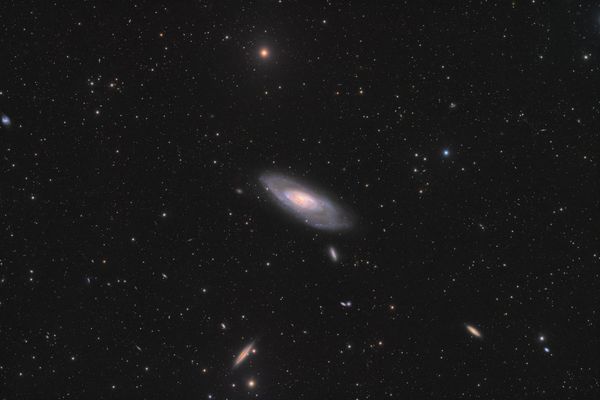
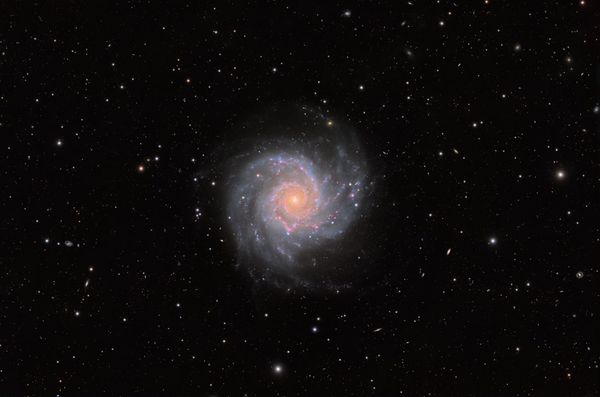
NGC 4258: A Ruler Made of Water
Over 41 hours of integration on M106 (NGC 4258), the maser galaxy in Canes Venatici, and a short story about an astronomer who learns that measuring a galaxy's distance can also mean reading its future.
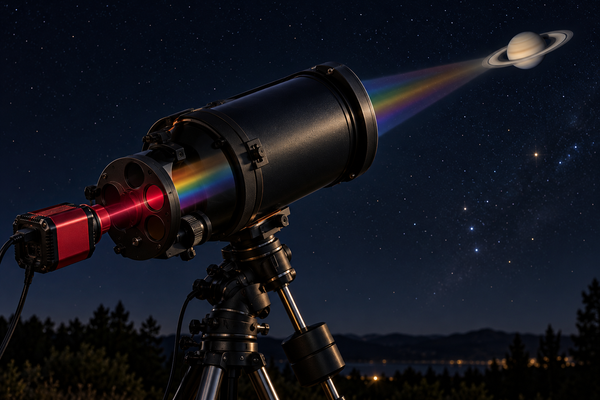
IR-Pass Filters for Planetary Imaging: 685 nm vs 742 nm on a Mac
Infrared steadies the seeing but costs light and resolution. How 685 nm and 742 nm IR-pass filters compare, with a Saturn test and a Mac workflow.

Laminar 1.9.1: Planetary Auto Focus, ADC Assist, and SHG Mode
Laminar 1.9.1 adds planetary Auto Focus, ADC Assist for setting an atmospheric dispersion corrector by measurement, and a focus score for spectroheliographs.
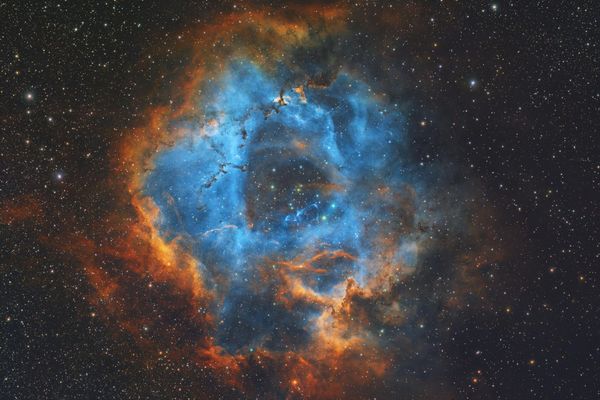
NGC 2237: Five Numbers for One Flower
Over 17 hours of integration on the Rosette Nebula (NGC 2237) and its young cluster NGC 2244 in Monoceros, and a short story about an ecologist living on the inner wall of a nebula that is being hollowed out by the wind of its own stars.
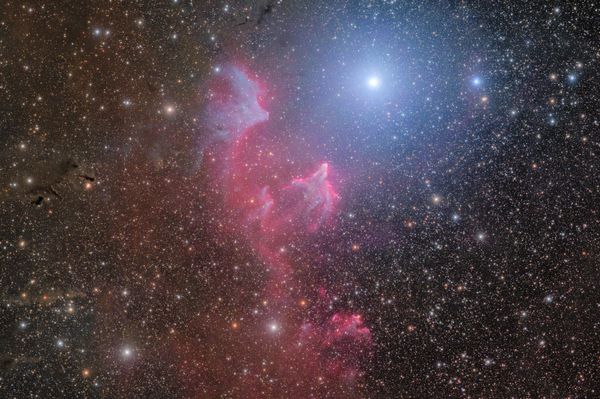
vdB 5: The Star With a Name Written Backward
Nine hours of integration on vdB 5 and the Ghost of Cassiopeia around the star Navi, and a short story about a star named by an astronaut, and the ghost it is slowly burning away.
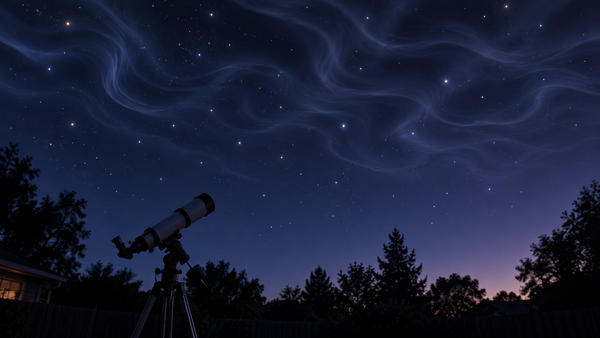
Seeing vs. Transparency: Why a Clear Sky Can Still Give Soft Planetary Images
A cloudless forecast says nothing about how steady the air is. How to tell blur from haze and dew, and what to check before you capture.
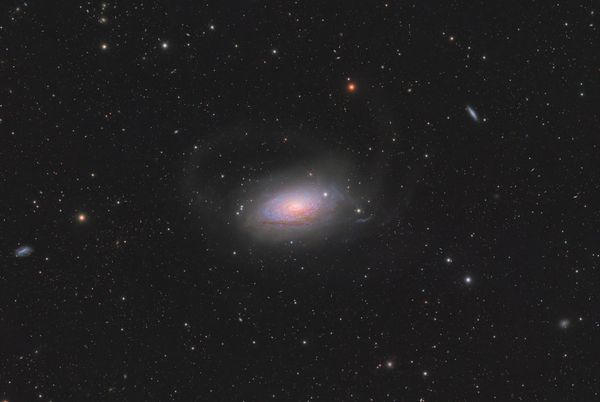
M63: Nobody Asked the Dwarf
Over 18 hours of integration on M63, the Sunflower Galaxy in Canes Venatici, and a short story about a retired insurance adjuster who photographs the remains of a galaxy that got eaten.
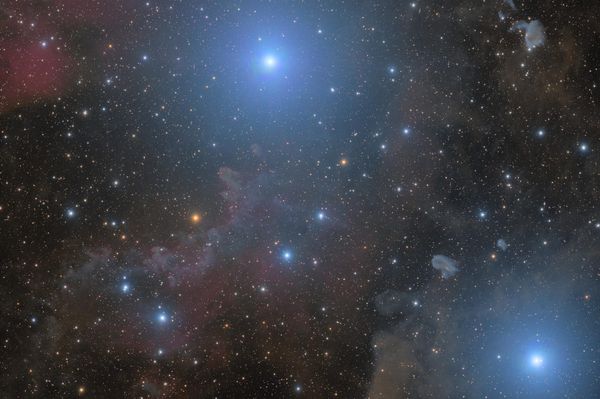
NGC 1990: The Nebula Nobody Could Confirm
Seven hours of integration on NGC 1990, the faint glow around Alnilam in Orion's Belt, and a short story about a clerk whose job is to confirm the sky is really there, and the one card he can't stamp.
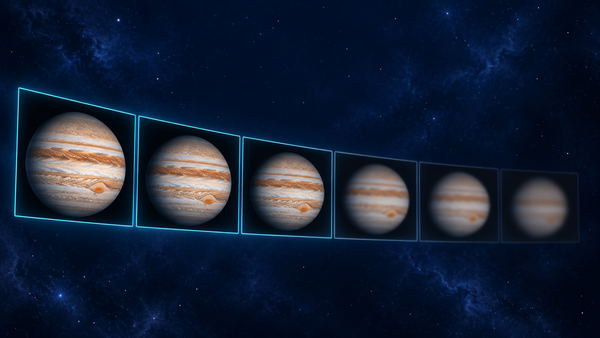
How Many Frames Should You Stack for a Planetary Image?
There's no magic percentage, but there is a simple test that finds the right one for each capture.
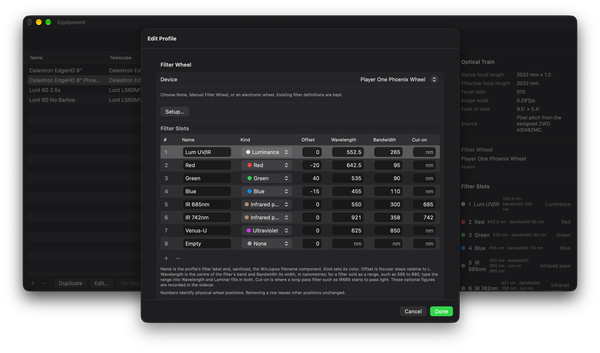
Laminar 1.9.0 Adds Filter Wheels, Focusers, and Automated LRGB Sequences
Laminar 1.9.0 adds direct filter wheel and focuser control through INDIGO, plus sequences that automate LRGB captures.