

Andrew Burwell
Designer, astrophotographer, and Mac app developer. Founded Mac Observatory over 9 years ago to help astronomers get the most from their Macs. Now building native macOS apps for the astrophotography community. Based in Houston, TX.
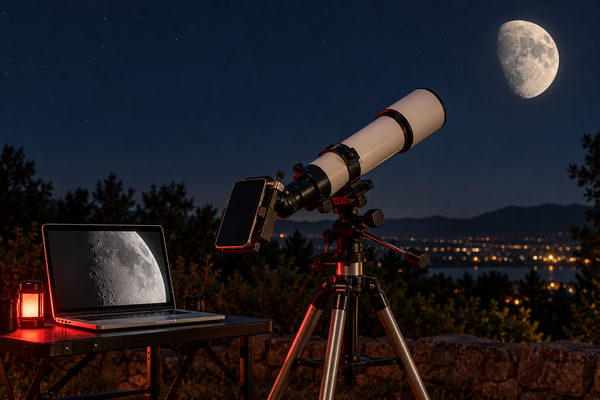
How to Photograph the Moon Through a Telescope with an iPhone and Laminar
An iPhone at the eyepiece, Continuity Camera and Laminar on the Mac make a practical first lunar imaging rig. Here's the setup, and where a phone runs out of road.
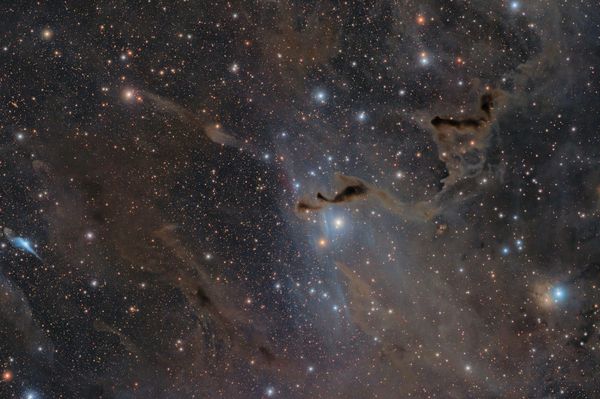
LDN 1357: The Hand Is Not Open
Sixteen hours of integration on vdB 8, vdB 7, vdB 9 and the dark cloud LDN 1357 in Cassiopeia, and a short story about an astronomer who learns why the star beside the Helping Hand beats like a heart.
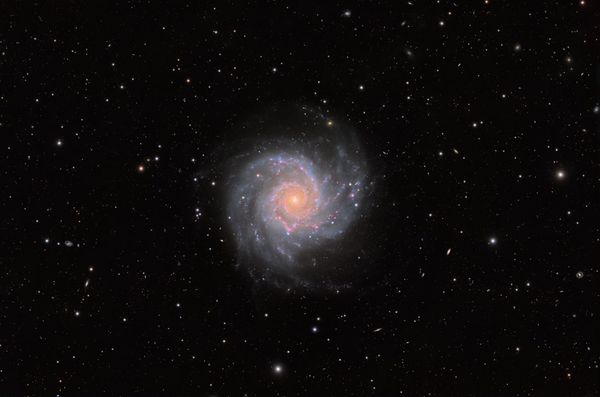
Wind and Astrophotography: What One Gusty Night Did to My Stars
Sixty-eight subs on M76 from DSP Remote, matched frame by frame against PHD2 logs and the site weather station.
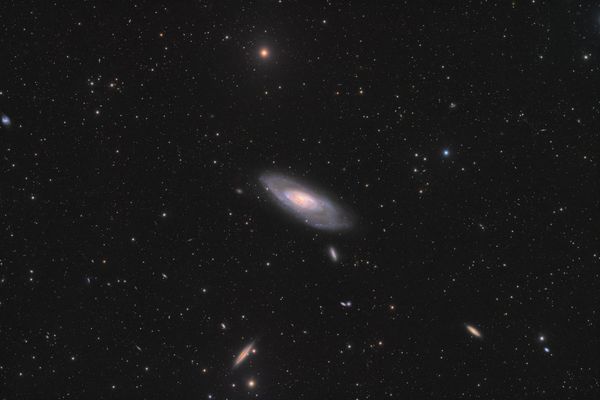
NGC 4258: A Ruler Made of Water
Over 41 hours of integration on M106 (NGC 4258), the maser galaxy in Canes Venatici, and a short story about an astronomer who learns that measuring a galaxy's distance can also mean reading its future.
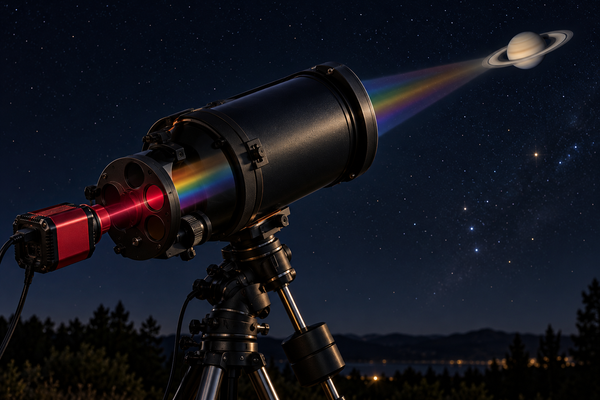
IR-Pass Filters for Planetary Imaging: 685 nm vs 742 nm on a Mac
Infrared steadies the seeing but costs light and resolution. How 685 nm and 742 nm IR-pass filters compare, with a Saturn test and a Mac workflow.

Laminar 1.9.1: Planetary Auto Focus, ADC Assist, and SHG Mode
Laminar 1.9.1 adds planetary Auto Focus, ADC Assist for setting an atmospheric dispersion corrector by measurement, and a focus score for spectroheliographs.
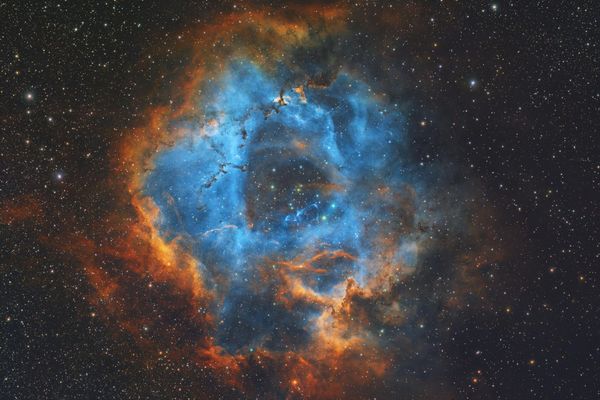
NGC 2237: Five Numbers for One Flower
Over 17 hours of integration on the Rosette Nebula (NGC 2237) and its young cluster NGC 2244 in Monoceros, and a short story about an ecologist living on the inner wall of a nebula that is being hollowed out by the wind of its own stars.
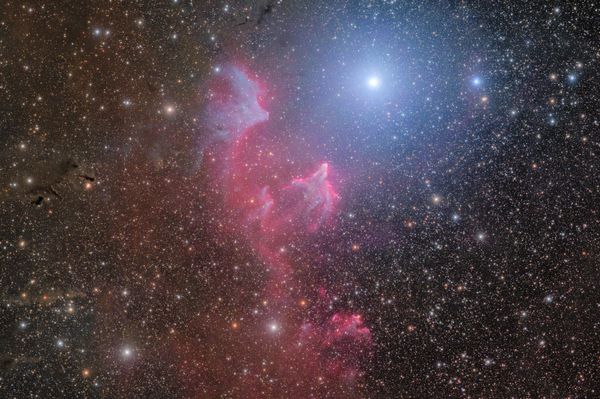
vdB 5: The Star With a Name Written Backward
Nine hours of integration on vdB 5 and the Ghost of Cassiopeia around the star Navi, and a short story about a star named by an astronaut, and the ghost it is slowly burning away.
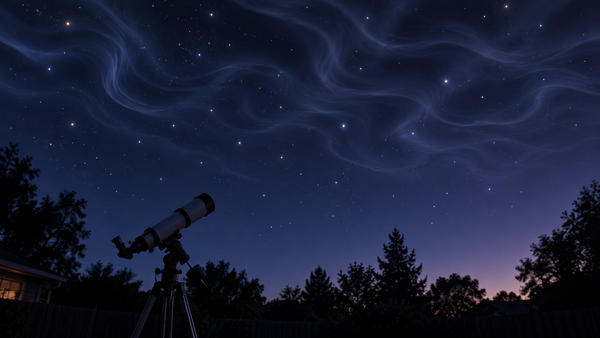
Seeing vs. Transparency: Why a Clear Sky Can Still Give Soft Planetary Images
A cloudless forecast says nothing about how steady the air is. How to tell blur from haze and dew, and what to check before you capture.
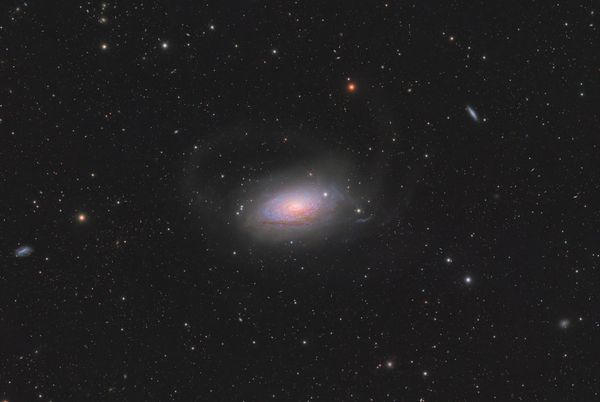
M63: Nobody Asked the Dwarf
Over 18 hours of integration on M63, the Sunflower Galaxy in Canes Venatici, and a short story about a retired insurance adjuster who photographs the remains of a galaxy that got eaten.
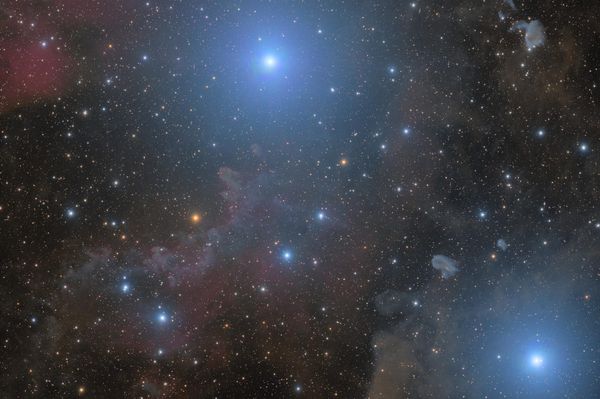
NGC 1990: The Nebula Nobody Could Confirm
Seven hours of integration on NGC 1990, the faint glow around Alnilam in Orion's Belt, and a short story about a clerk whose job is to confirm the sky is really there, and the one card he can't stamp.
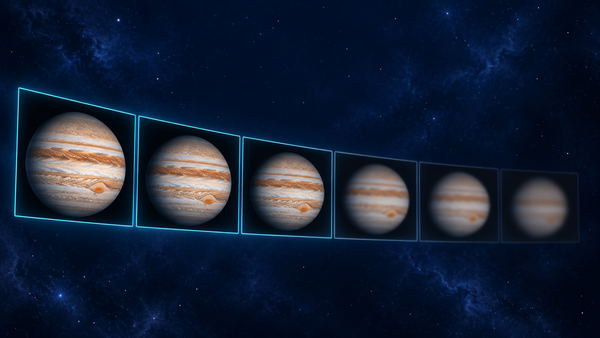
How Many Frames Should You Stack for a Planetary Image?
There's no magic percentage, but there is a simple test that finds the right one for each capture.