
Imaging Full Frame
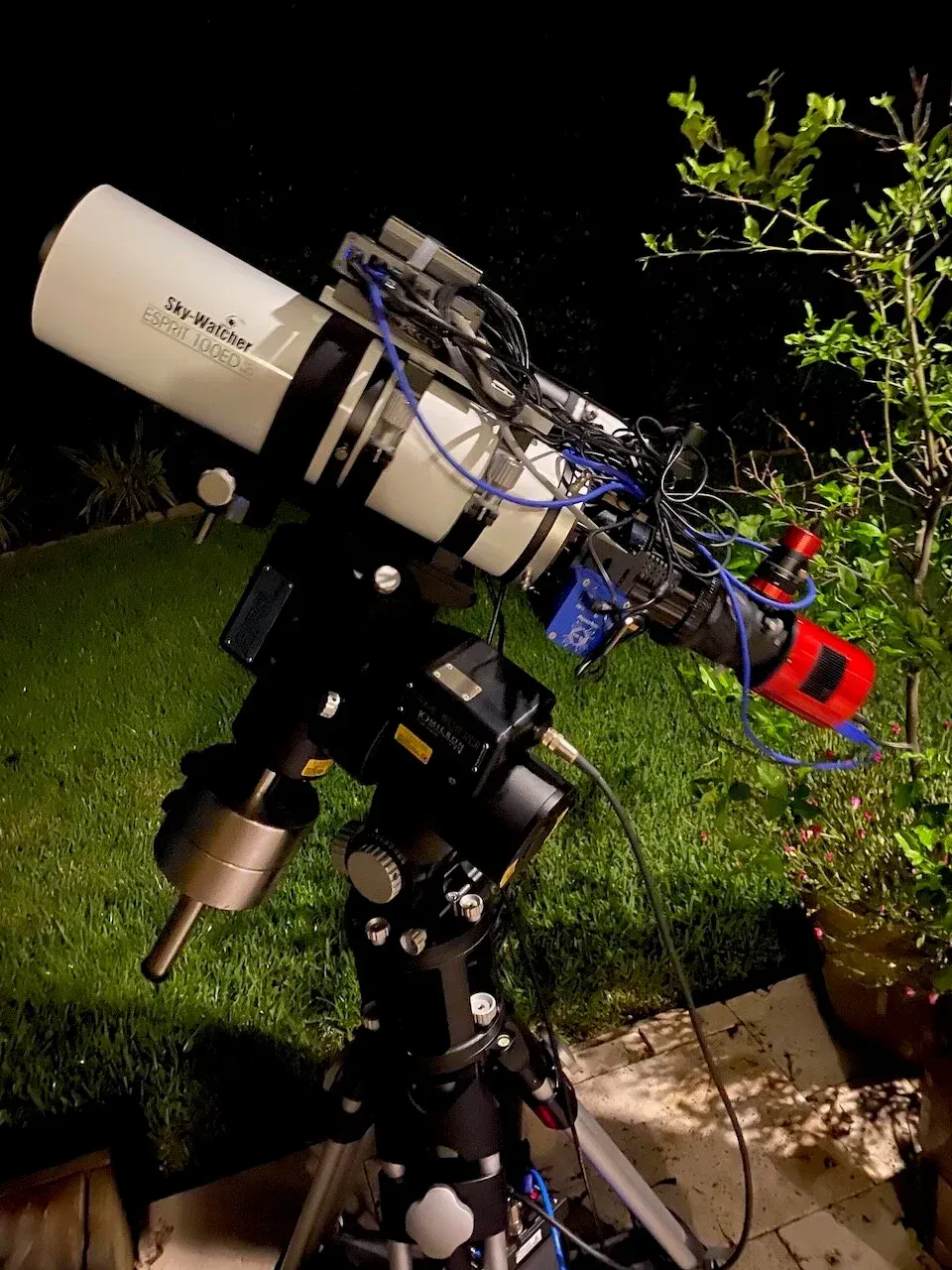
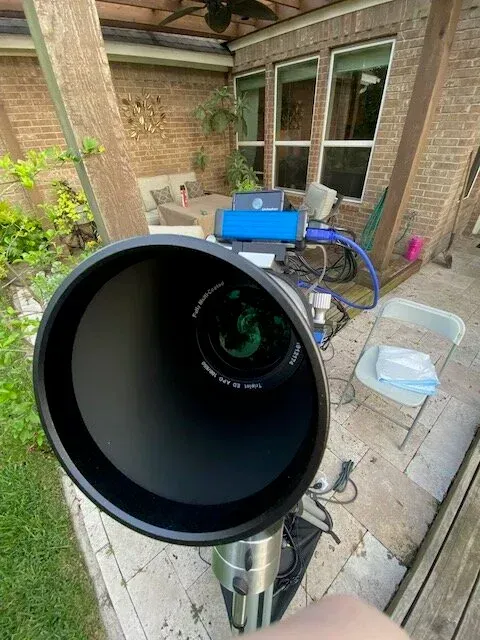
I recently decided to start imaging with a full frame sensor. TheZWO ASI6200MM-Pro. Previously I had been using aZWO ASI1600MM-Pro, while still an incredible camera, I’ve always been bothered by the micro lens effect of that specific chip. Apparently the best way to accomplish using a full frame sensor is to identify all the telescopes that I own, that don’t support a full frame sensor, and sell them. So, that’s what I’ve been doing. I sold my 8” RC telescope, as well as my workhorse imager the Explore Scientific 102CF FCD-100. My EdgeHD 11 and William Optics Redcat 51 both support full frame, but I needed a focal length in-between these two scopes that supported full frame too. I looked long and hard at a Takahashi FSQ-106EDX4, but could not justify the cost for the large imaging circle it provides. It supports up to an 80mm wide imaging circle, and since full frame cameras are around 43-44mm in size, I could never take advantage of that telescope, so I went for a telescope that’s had some high praise for a mass produced scope, and ended up with theSky-Watcher Esprit 100ED.
Accessories
One thing I wanted to avoid this time around was purchasing a 3rd party focuser. The built in Esprit focuser is a large 3 inch diameter focuser, and is fairly robust. With a 3” clear path, it should have no issues supporting a full frame sensor. I’m using the stock field flattener that came with the telescope, also sized for full frame. This means the telescope operates at F/5.5 and 550mm focal length. The speed is moderately quick, and any faster in my light pollution and I would have to take a lot of very short frames, so I think the speed is pretty good. You can attach a Massimo Riccardi .75x reducer to this scope and still image at full frame with an even wider, faster view. But I don’t think I’ll go that route unless I can get to some really dark skies. In order to operate with full automation through the night, I needed to consider a focus motor. TheZWO EAFmotor would have been ideal, but it has a 5kg limit pulling weight, and the new camera with 2” filter wheel, is right at that limit. So that left me with two options, thePrimaLuceLab Sesto Senso 2, or thePegasus Astro FocusCube 2. I went with the latter since I already havesome very nice Pegasus Astro gearthat I’m happy with.
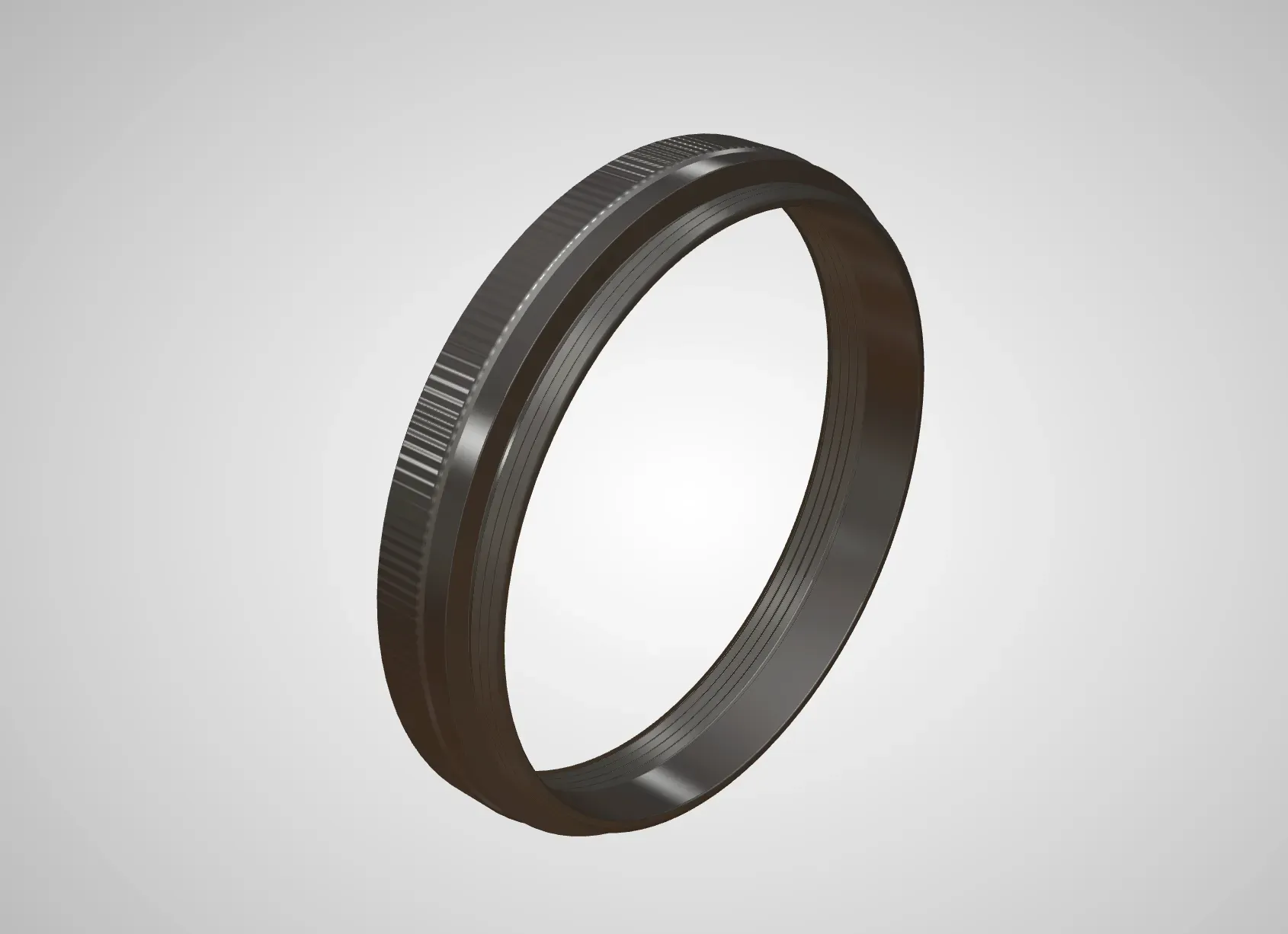
With the focuser squared away now, I needed to figure out how to connect up the ZWO ASI6200. To keep that large diameter opening all the way to the camera, I needed to consider a different adapter than the one included with the telescope. The telescope comes with a DSLR Canon adapter, or a CMOS M42 adapter. M42 is a 2” diameter, and limits the light cone traveling through the optical train to the camera. The stock back focus is 66mm for the field flattener, and the CMOS adapter is 8mm, leaving 55mm for the ZWO ASI6200, ZWO M68 OAG, and ZWO 2” filter wheel. I got a set of 2” Chroma 3nm narrowband filters and a set of LRGB Chroma filters to fit into the filter wheel. That equipment takes up 55mm exactly. However, due to the 3mm thickness of the Chroma filters, it extends the back focus requirement by 1mm making it 56mm. To accommodate this extra millimeter, I ordered a Precise Parts adapter that was 9mm thick with threading for the M66 flattener on one side, and threading for theM68 tilt adapter from ZWO. This keeps the open aperture just under 3” until the light hits the 2” filters and finally the camera.

Equipment List for First Light
- Sky-Watcher Esprit 100ED
- Pegasus Astro FocusCube 2
- Pegasus Astro Ultimate Powerbox V2
- Askar Losmandy Universal Dovetail
- ZWO ASI2600MC-Pro
- ZWO OAG-L
- ZWO ASI174MM-Mini guide camera
- Unihedron Sky Quality Meter (USB)
First Light—Not Full Frame…
Unfortunately due to the pandemic, there’s a delay of about a month to get the Precise Parts adapter. Therefore, I can’t get first light with the new camera, and opted instead to use my ZWO ASI2600MC-Pro color camera for first light. I used the stock CMOS adapter that came with the telescope to connect up the ZWO OAG, and camera.
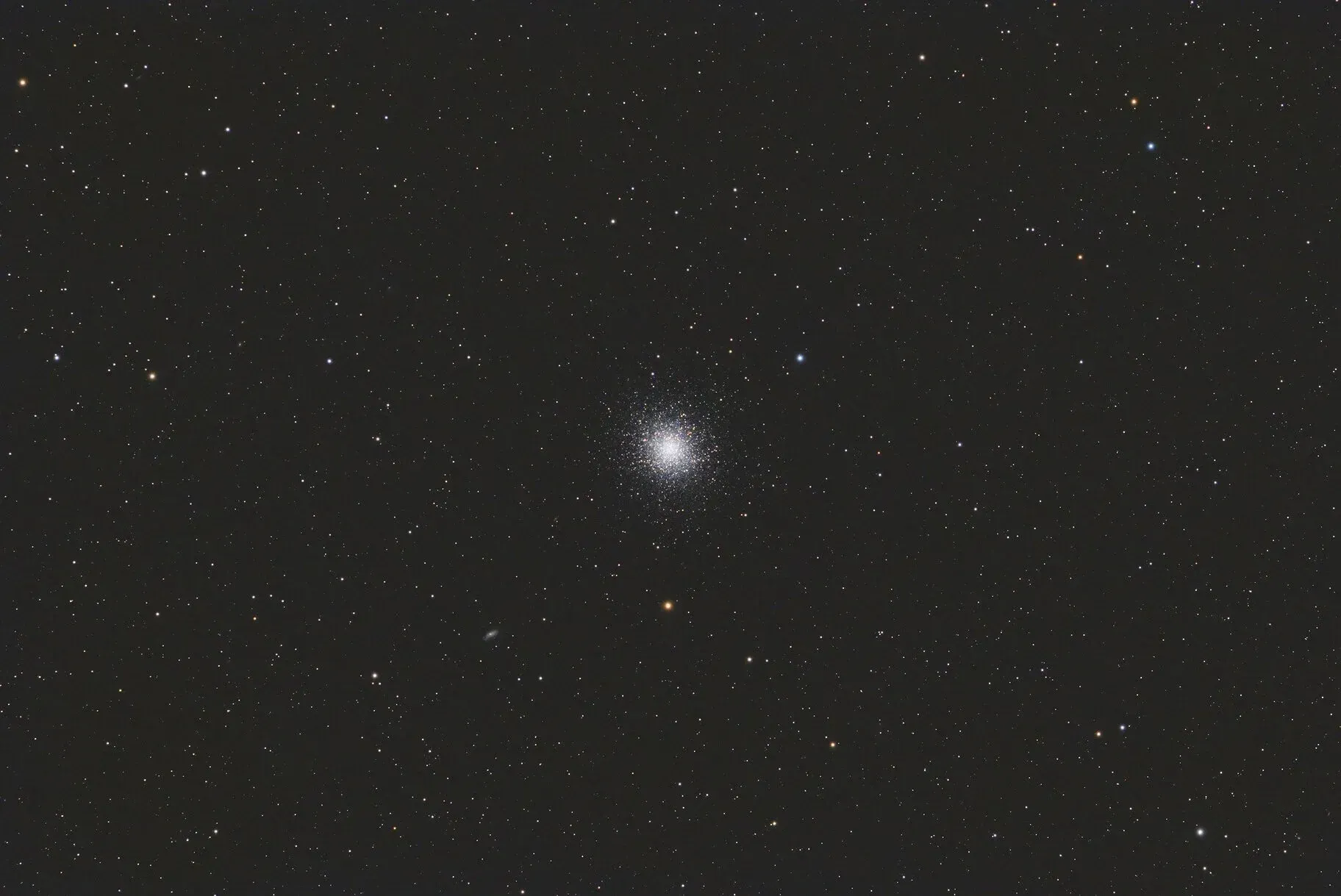
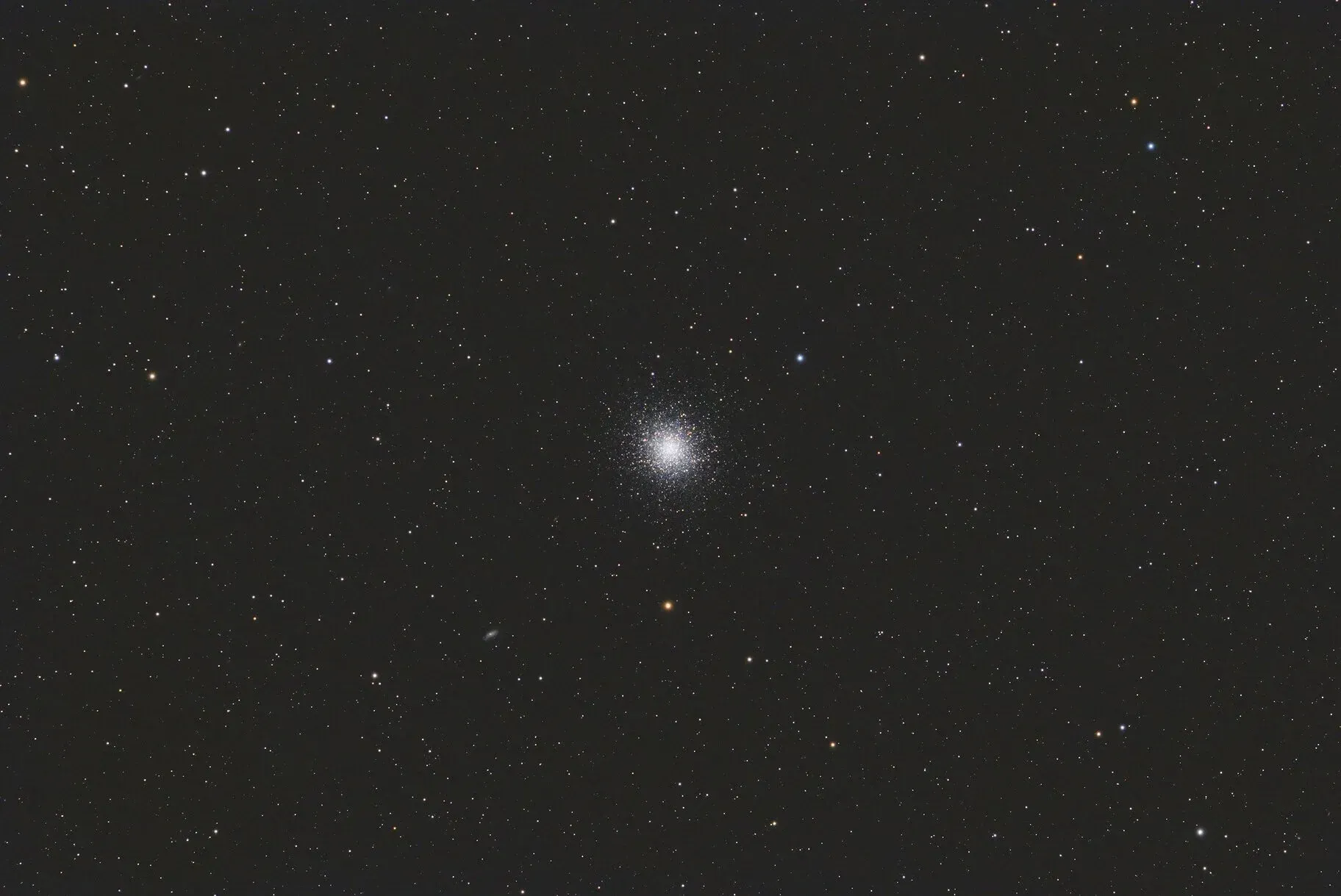
With the focuser installed, and camera attached, I was ready to get out for a night of imaging. I picked a few easy RGB targets that didn’t require a ton of integration time so that I could see how clean and flat the field of view would be. First target up was M13. A lovely globular cluster, with good color. M13 was about 75° altitude. I shot it for an hour while waiting for another easy target to rise up.
Second target came up about 50° altitude before I started to image. This was NGC 7789, Caroline’s Rose open cluster. Lots of stars in this one allowed me to see how flat the field of view was, and it’s extremely flat. Some very slight tilt on the left side, easily corrected with the built in ZWO tilt corrector plate. This target got around 3.7 hours of images.
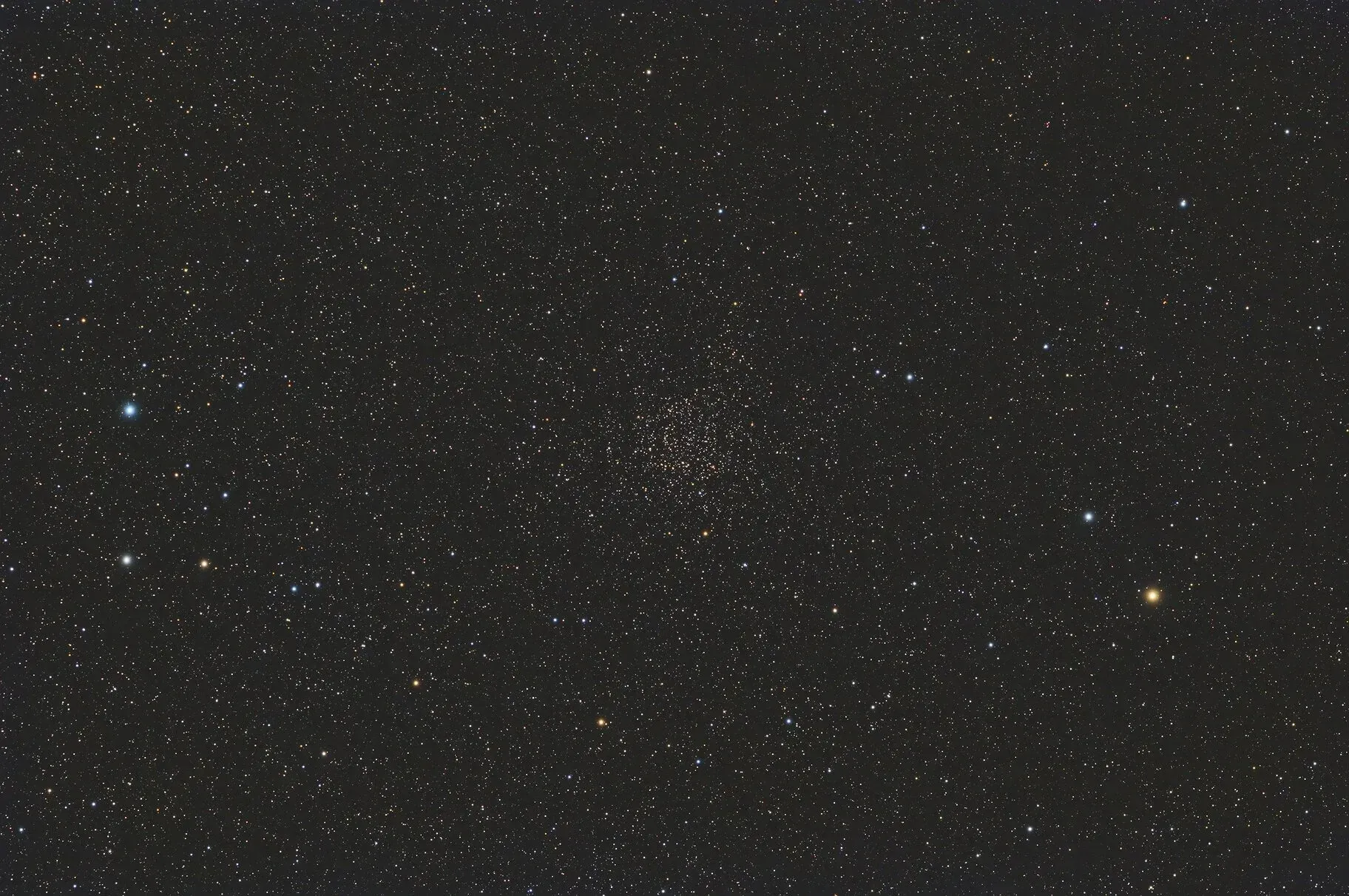
I’m extremely impressed with the results. The results here required no finessing during processing, and came out clean and beautiful. The real test will be with the full frame sensor, hopefully not too long from now. My only complaint with the telescope was the horribly small dovetail which barely fit between the dovetail clamps on my 10Micron mount. They need a dovetail that’s at least 7”, and I ended up getting an ADM 11” universal Losmandy dovetail to replace it.
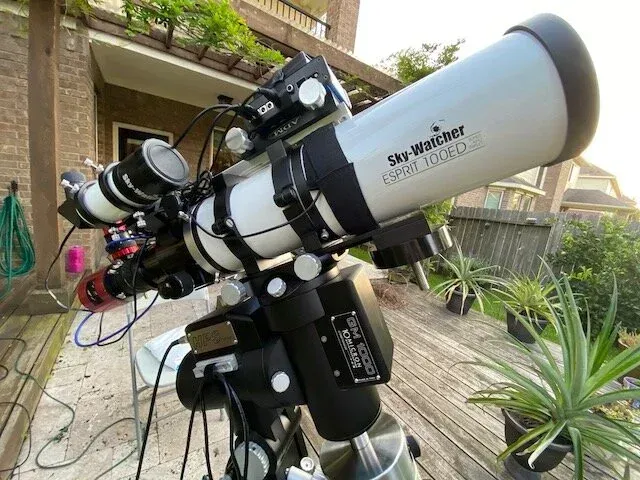
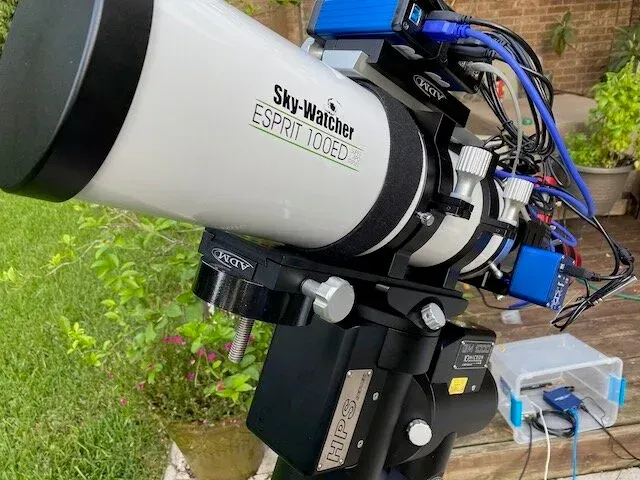
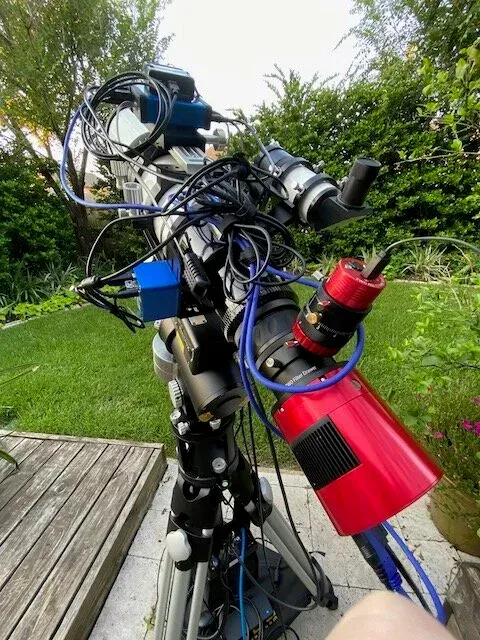
Update: Here’s Some recent images I’ve taken with this telescope
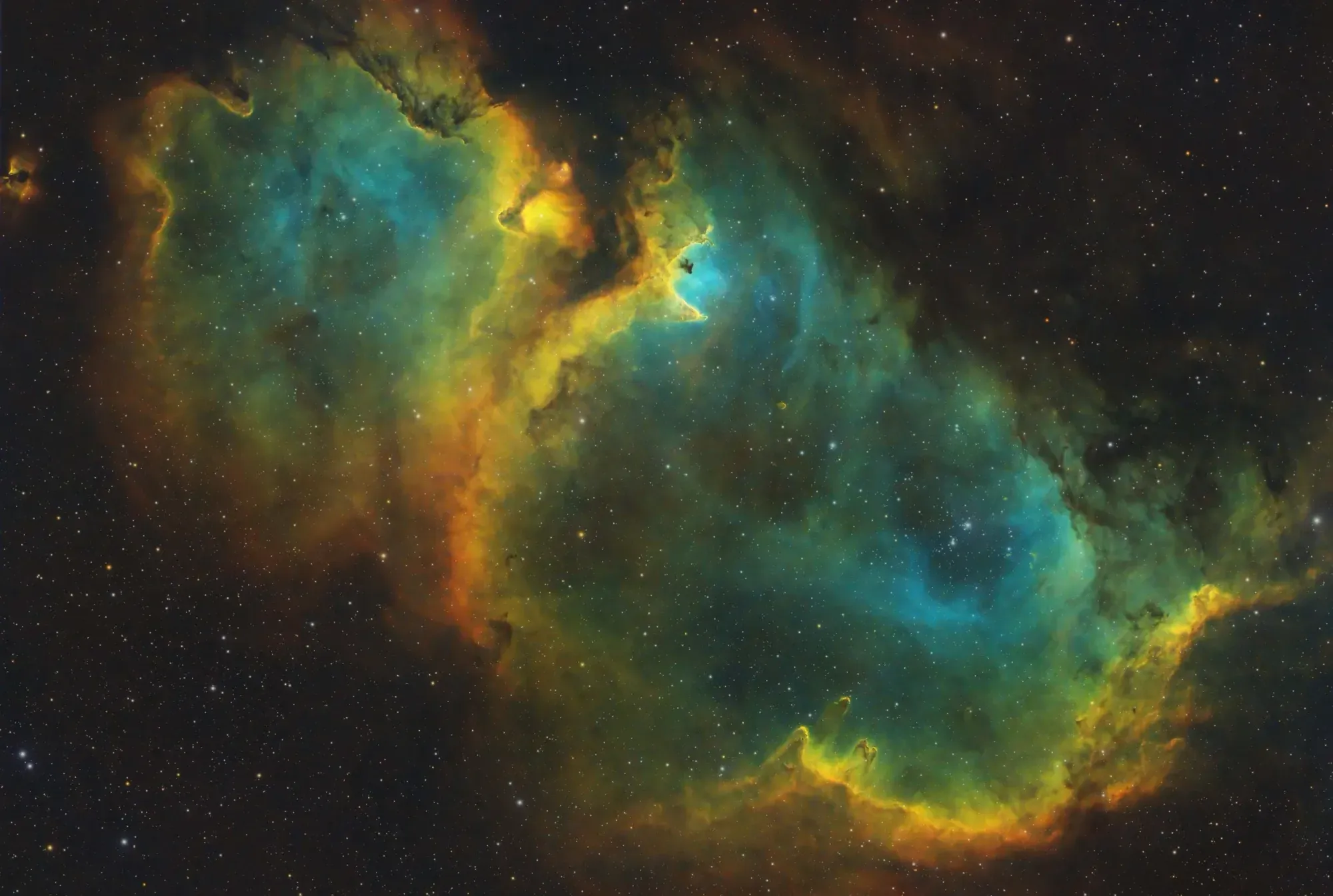
Image detailsNov 30, 2022
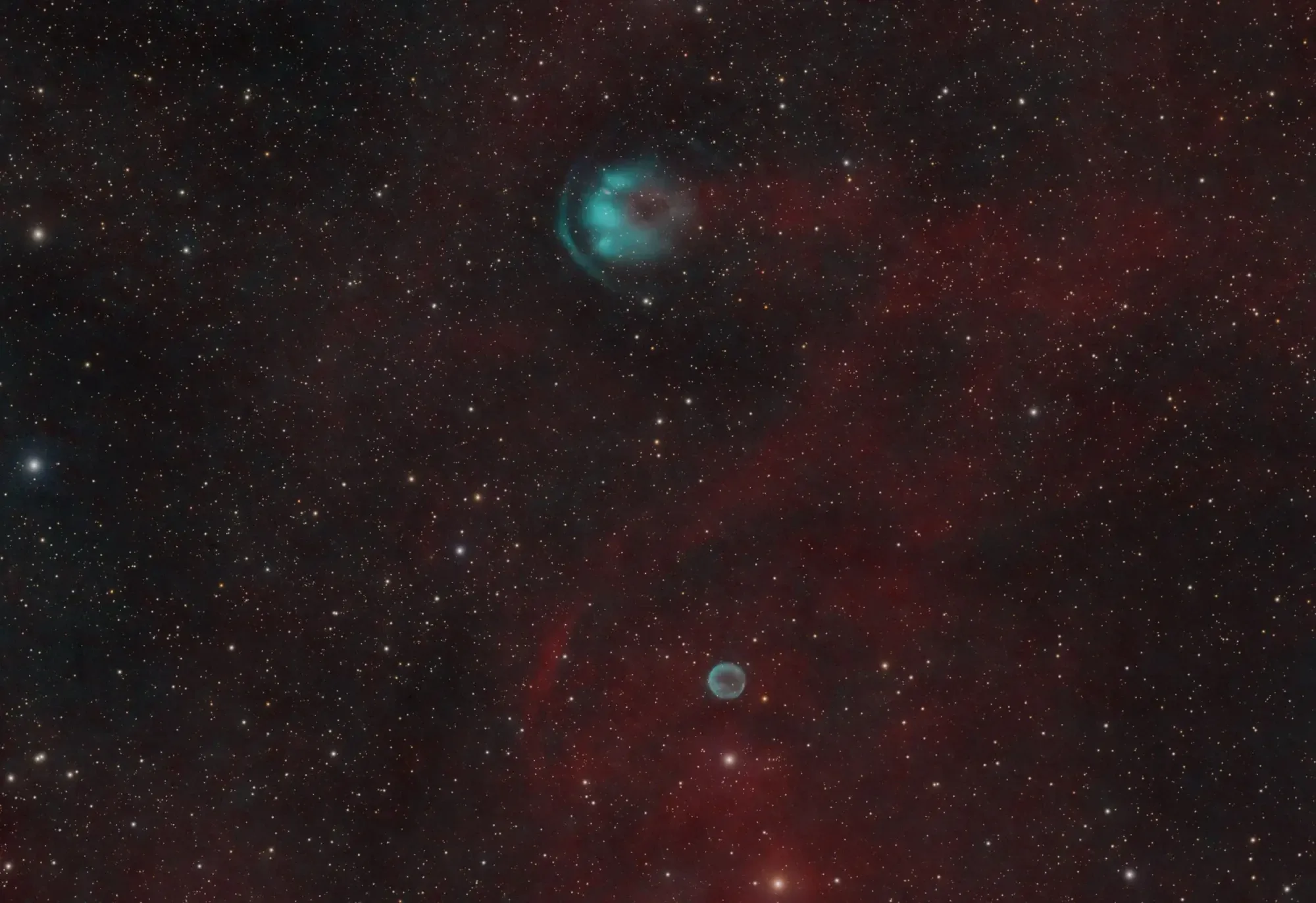
Image detailsNov 10, 2022
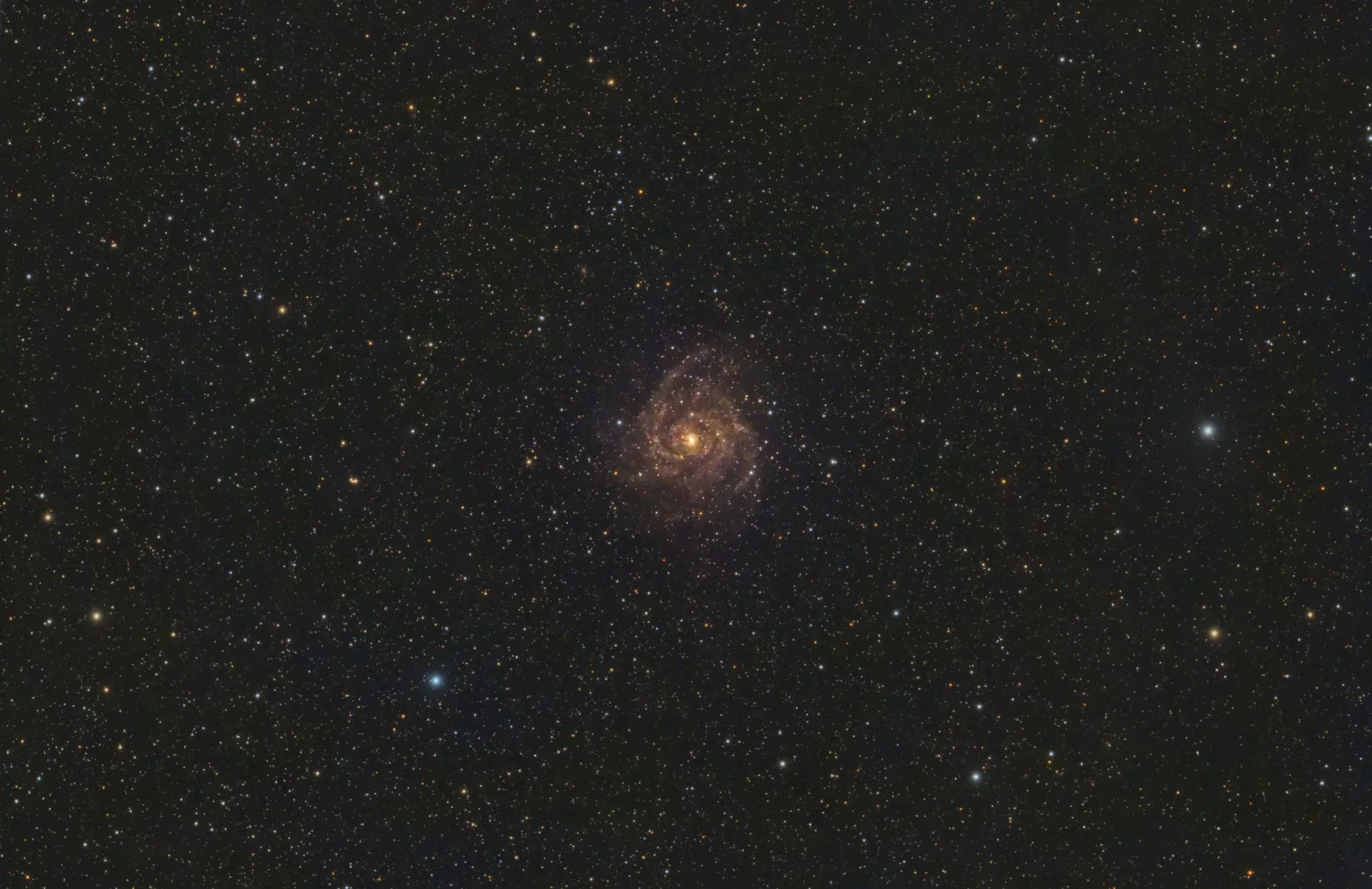
Image detailsNov 13, 2021
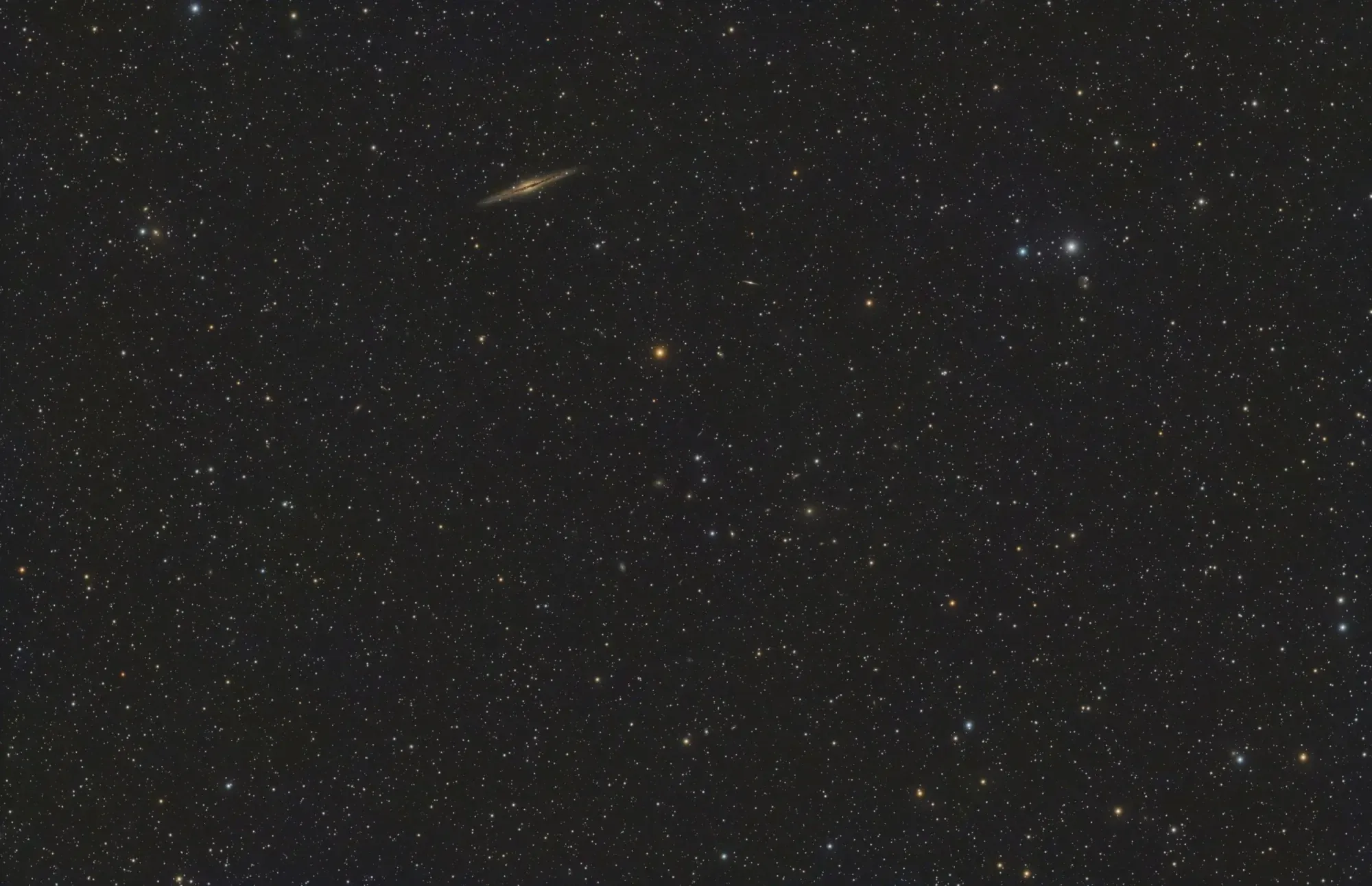
Image detailsNov 11, 2021
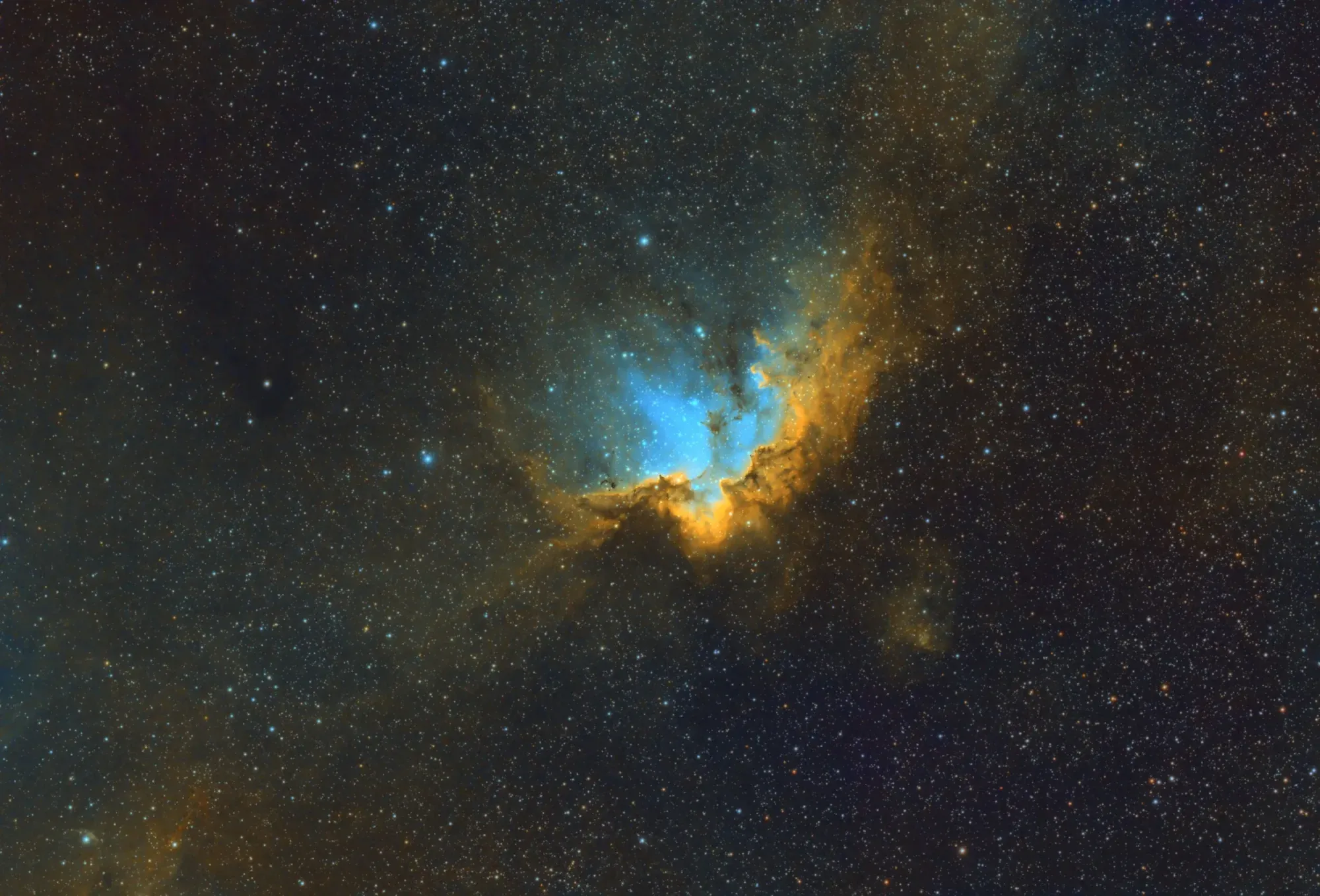
Image detailsOct 8, 2021
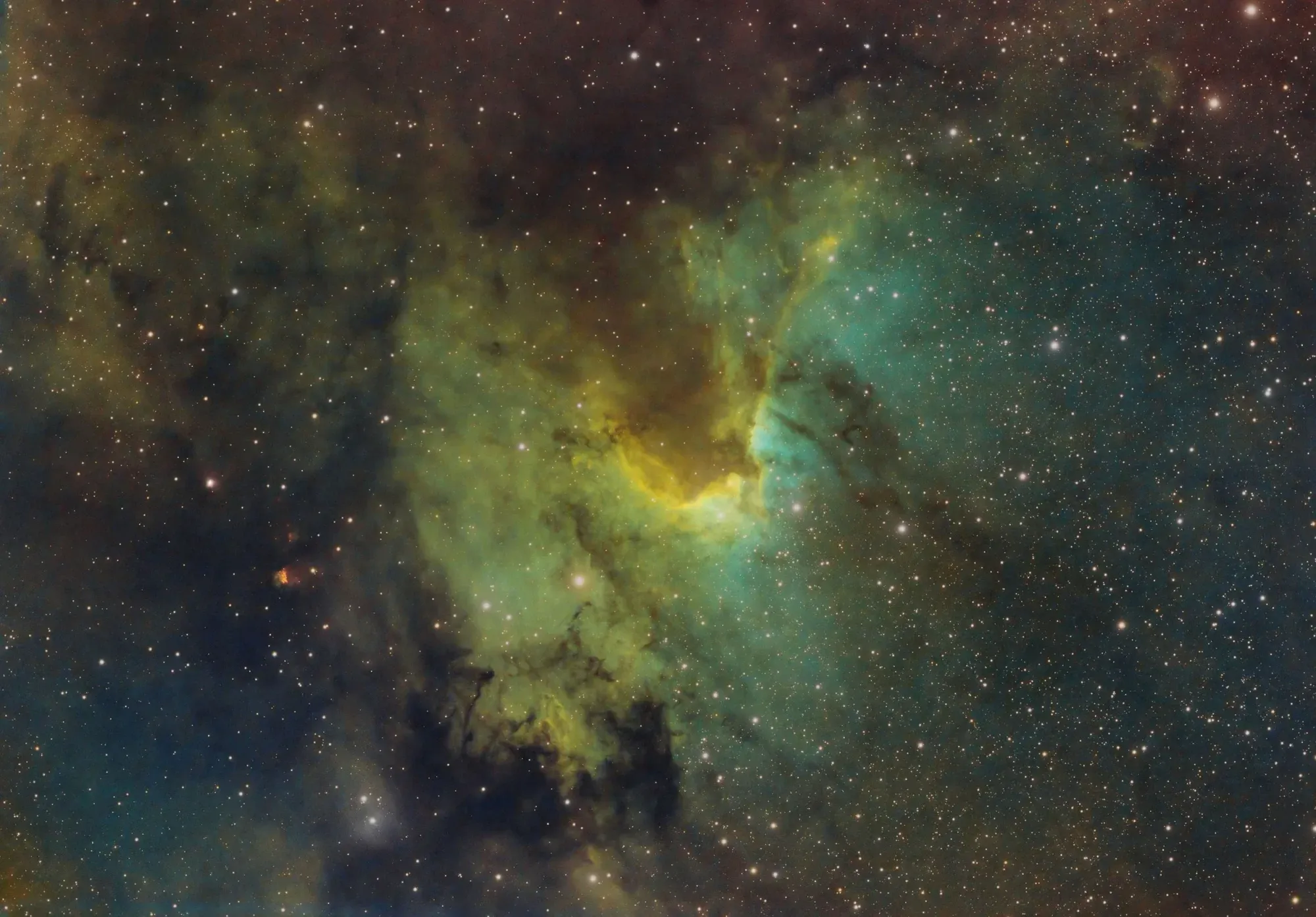
Image detailsOct 3, 2021
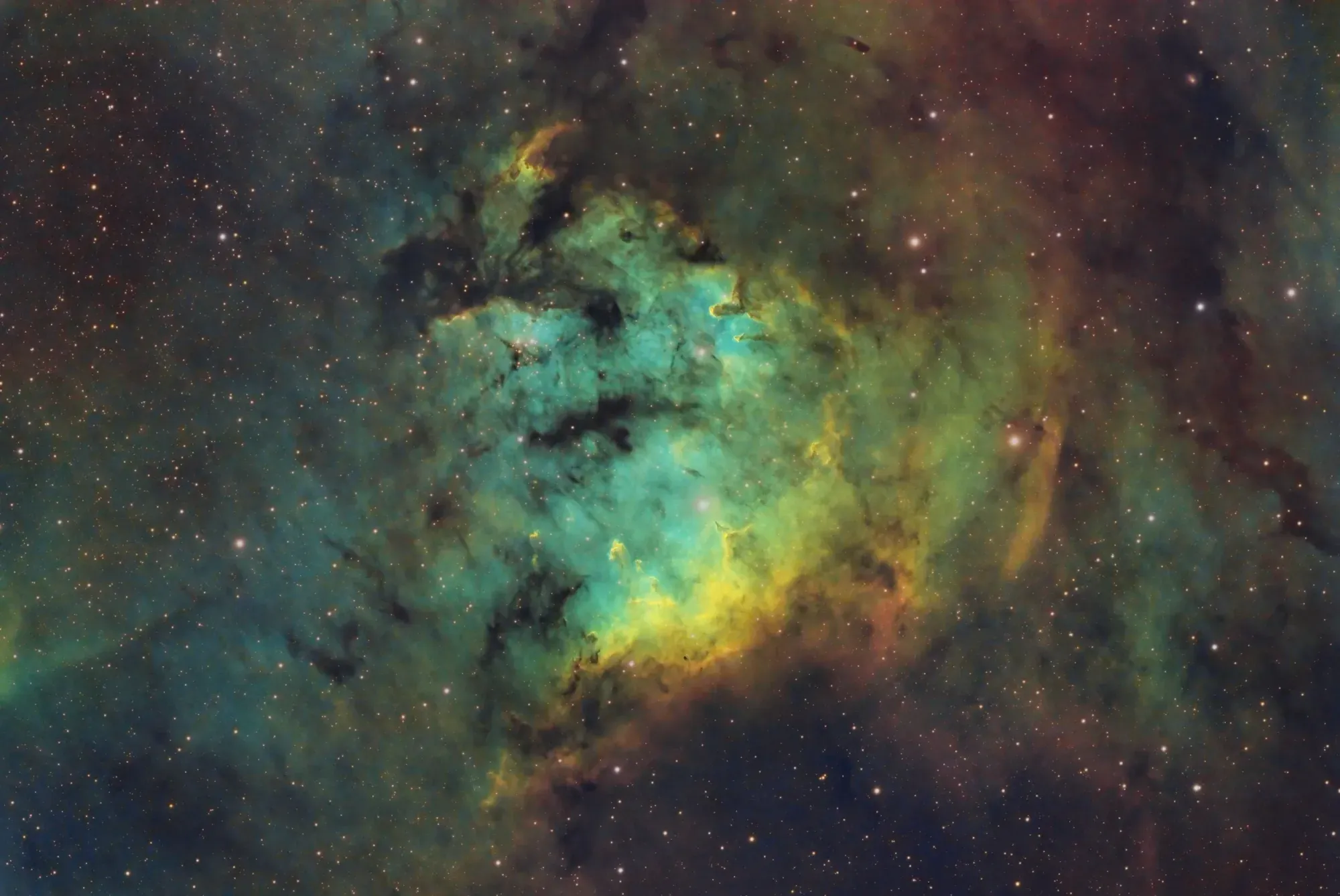
Image detailsSep 28, 2021
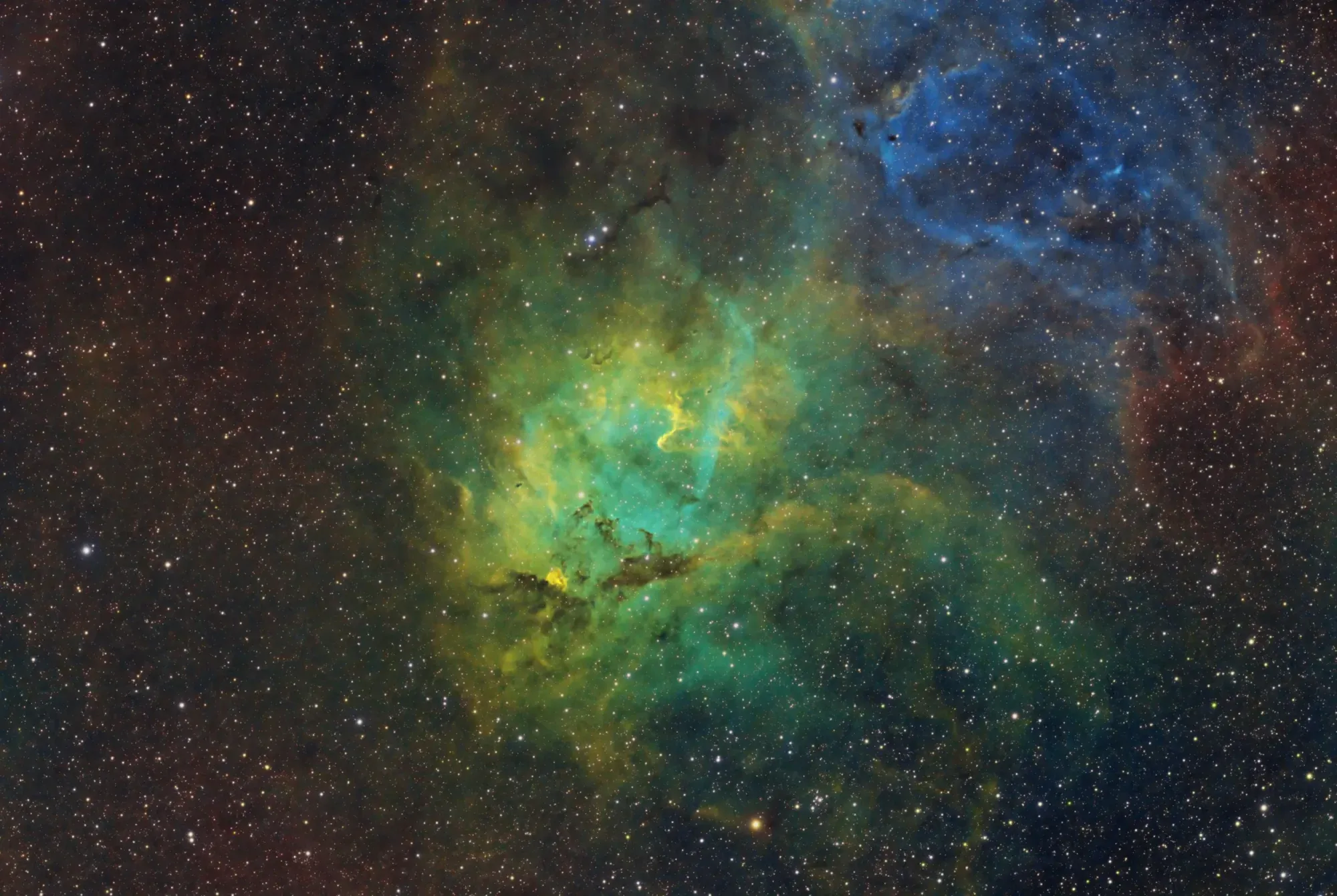
Image detailsSep 10, 2021
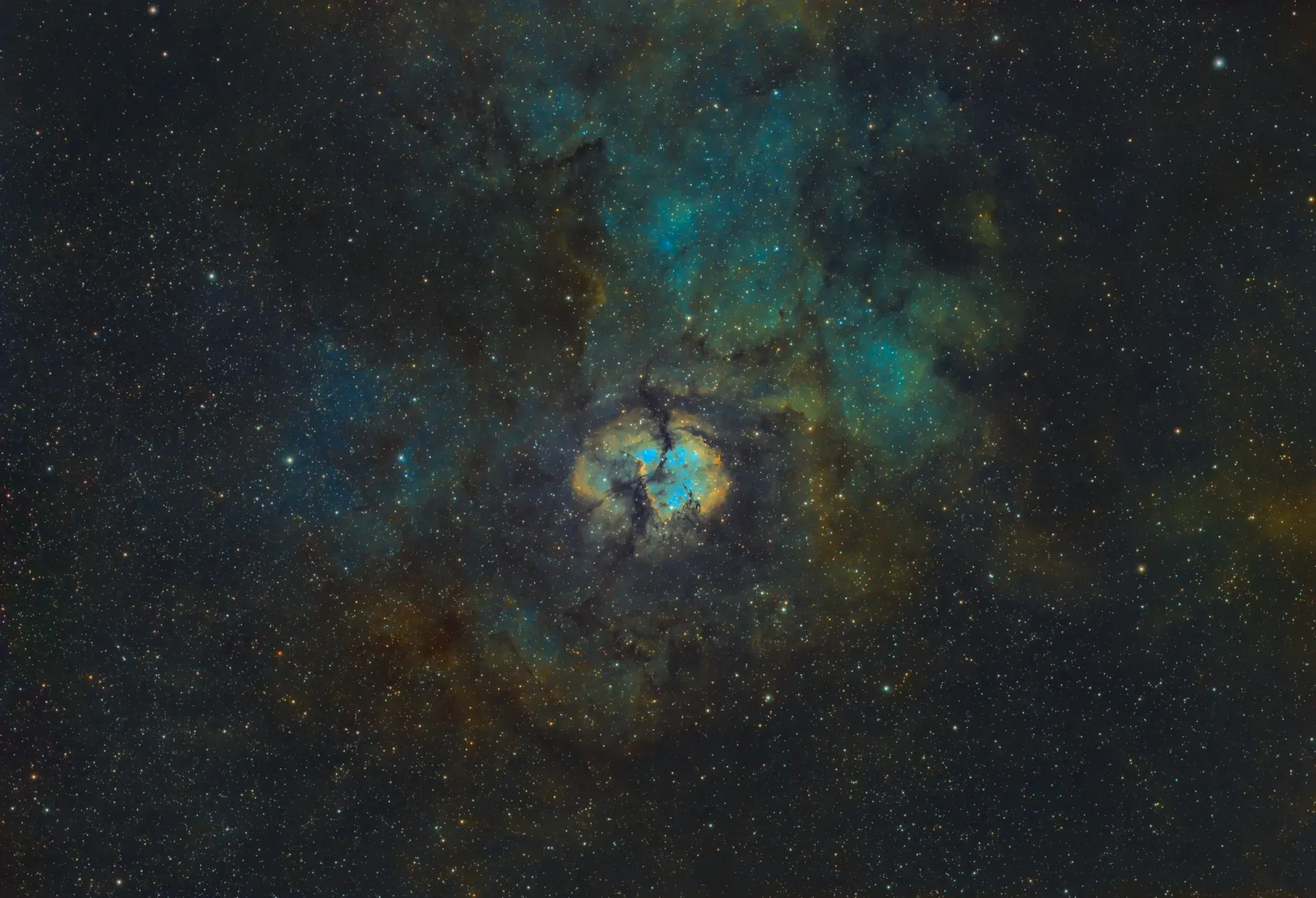
Image detailsAug 23, 2021
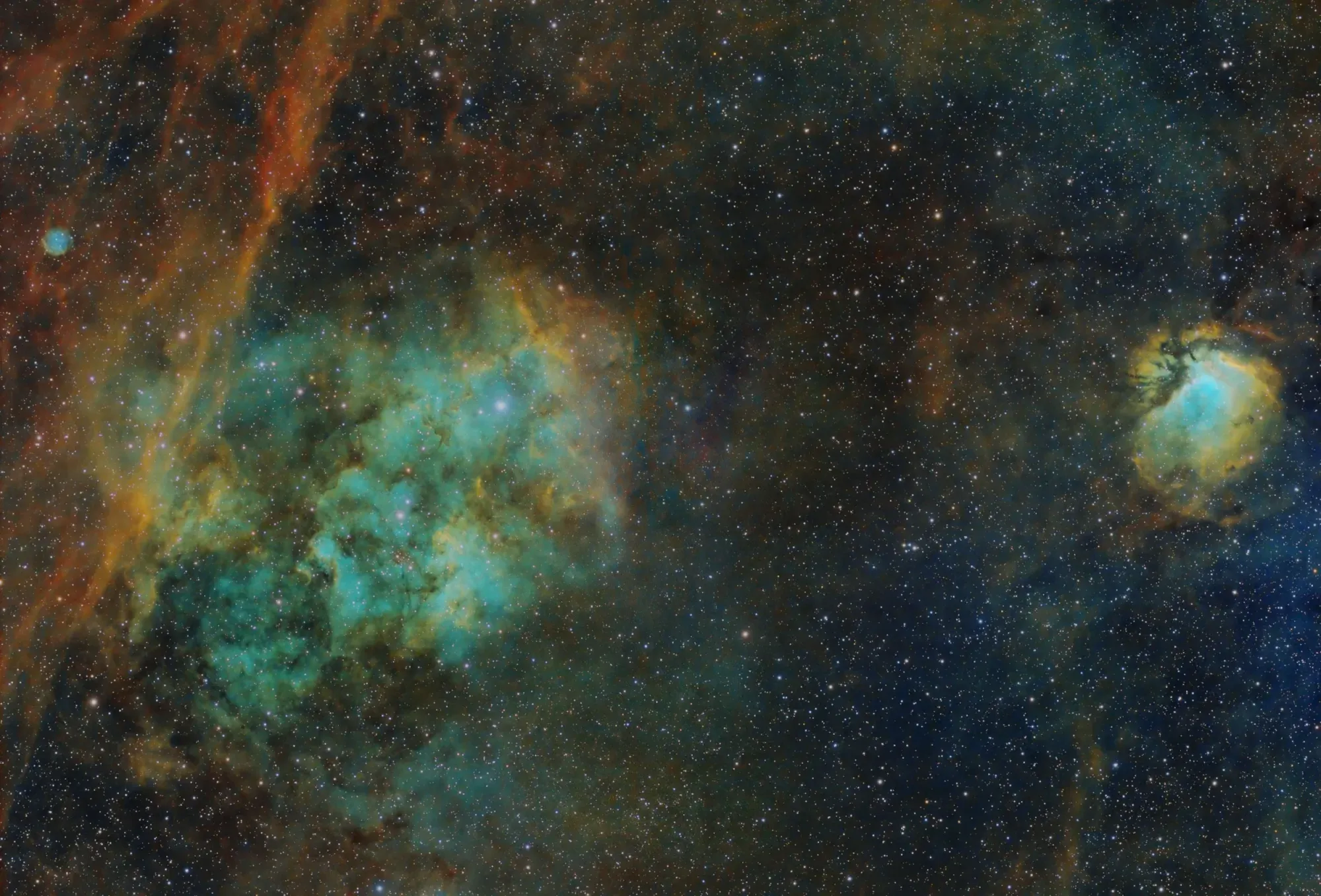
Image detailsAug 9, 2021
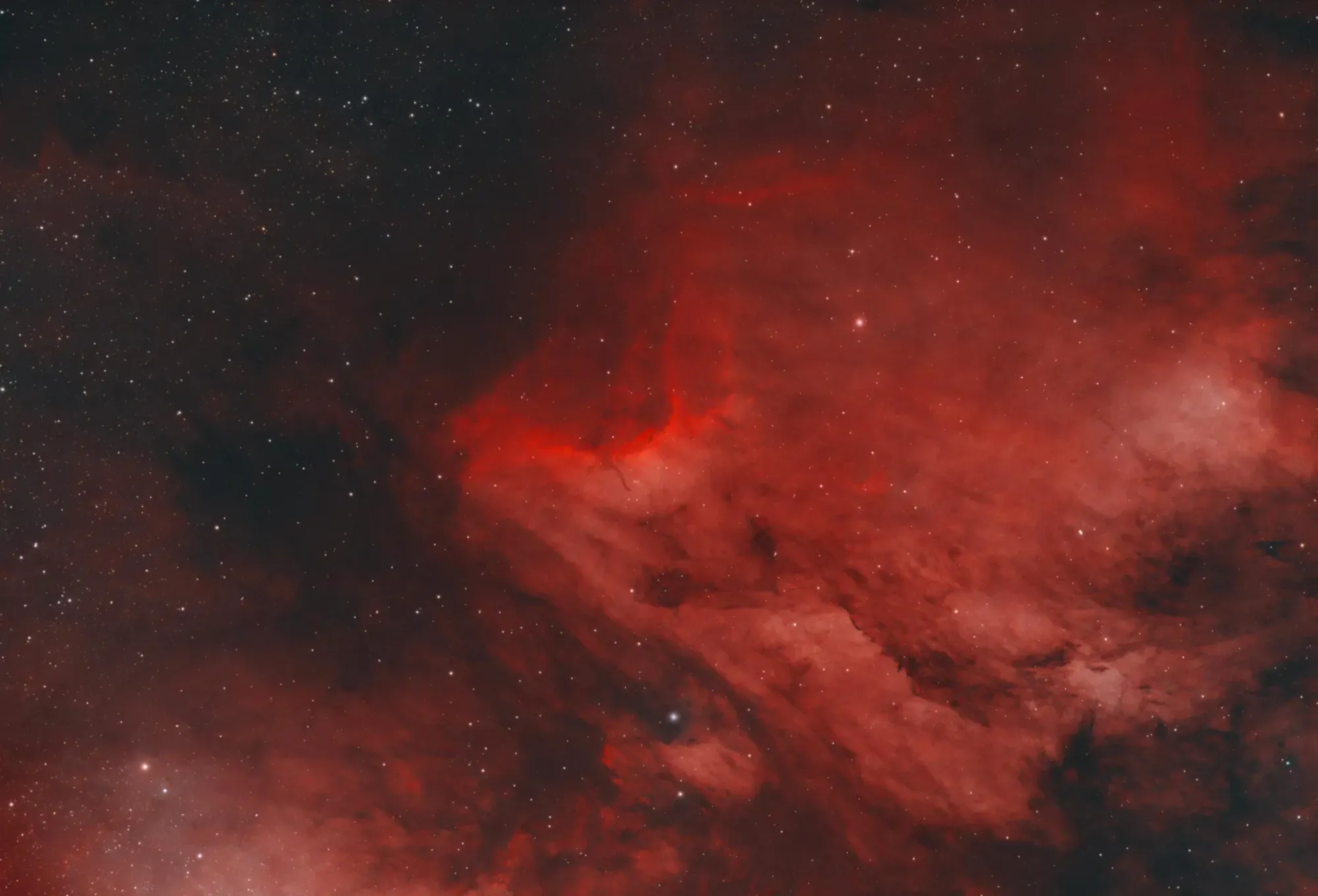
Image detailsAug 6, 2021
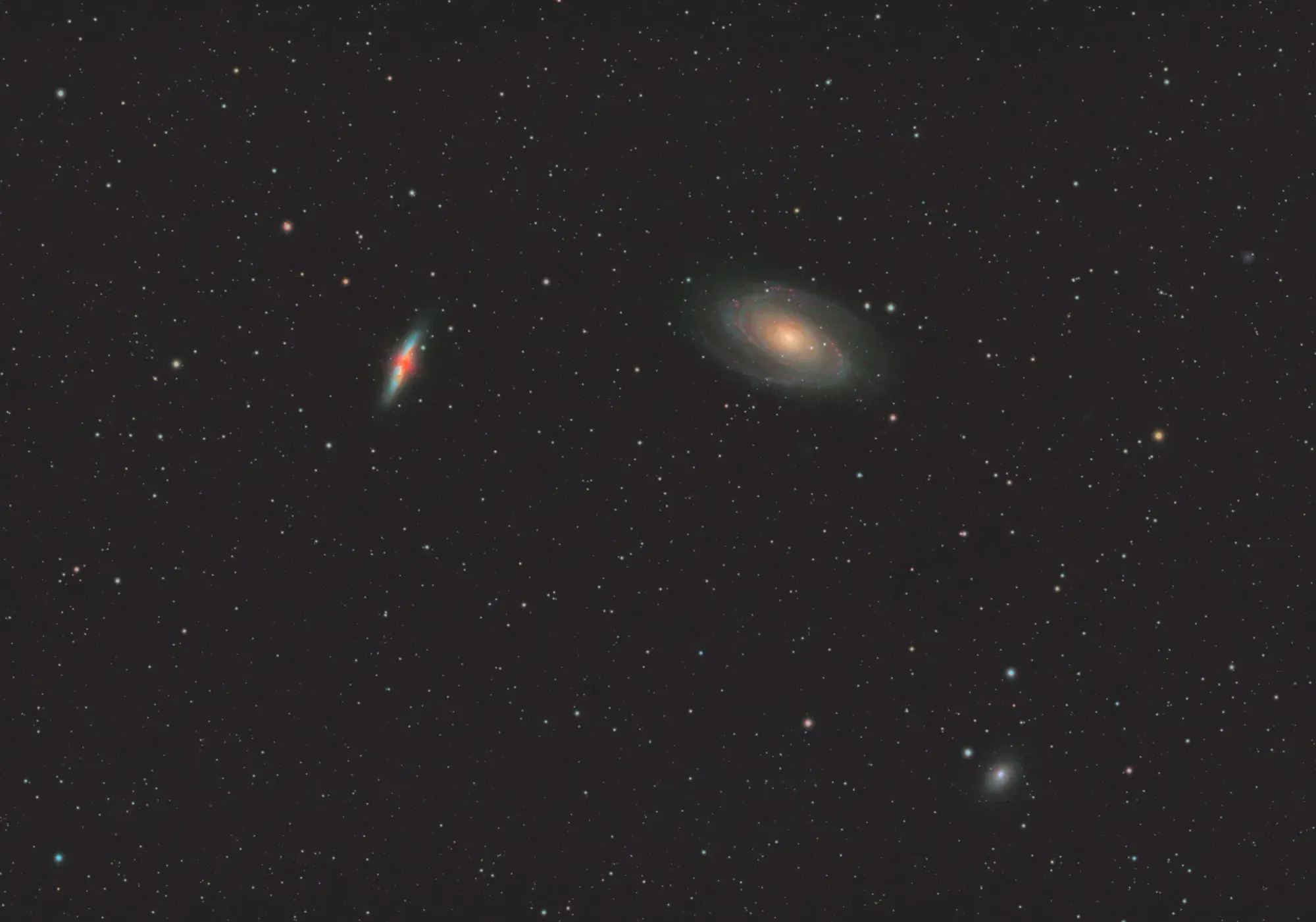
Image detailsApr 13, 2021
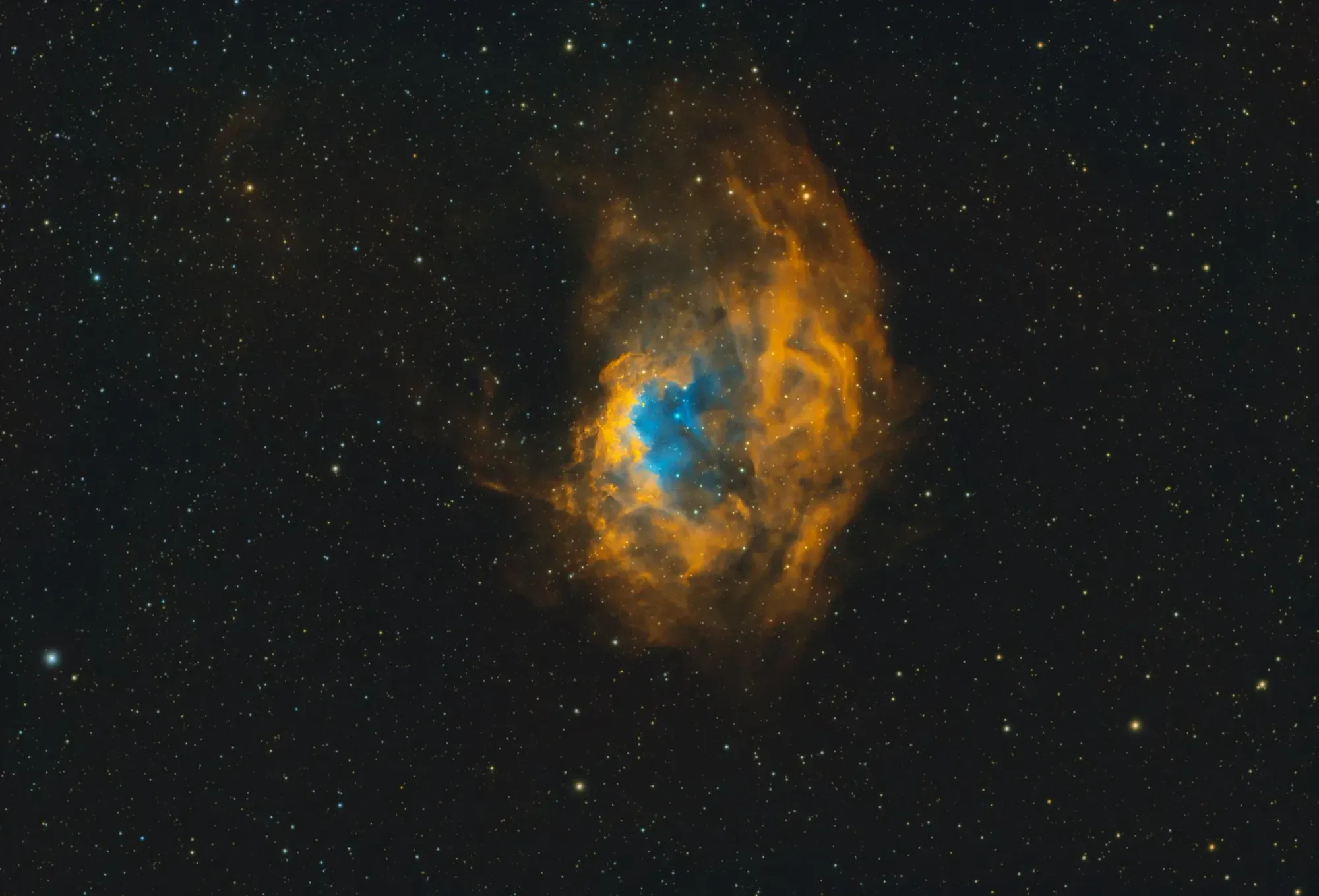
Image detailsFeb 8, 2021
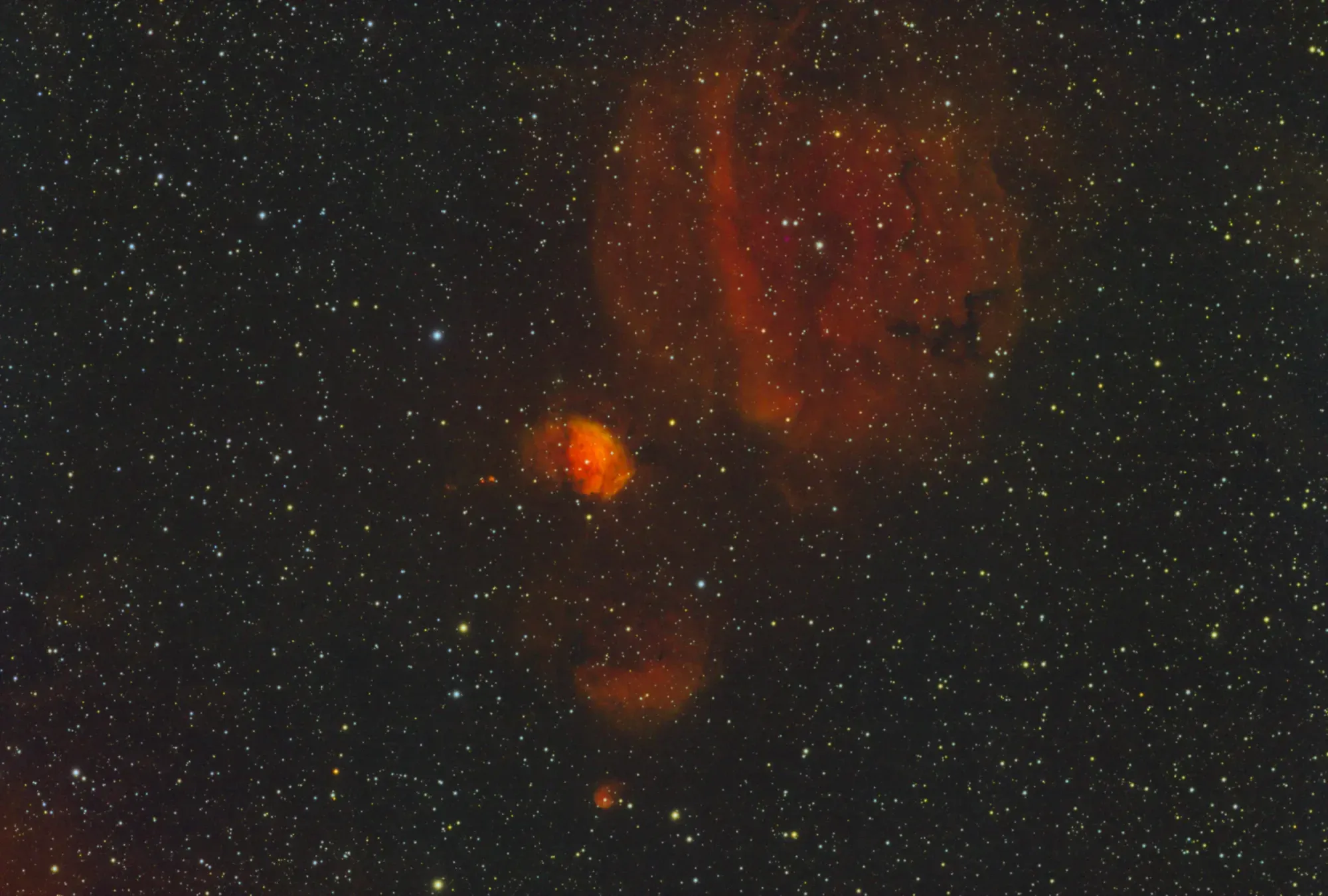
Image detailsFeb 5, 2021
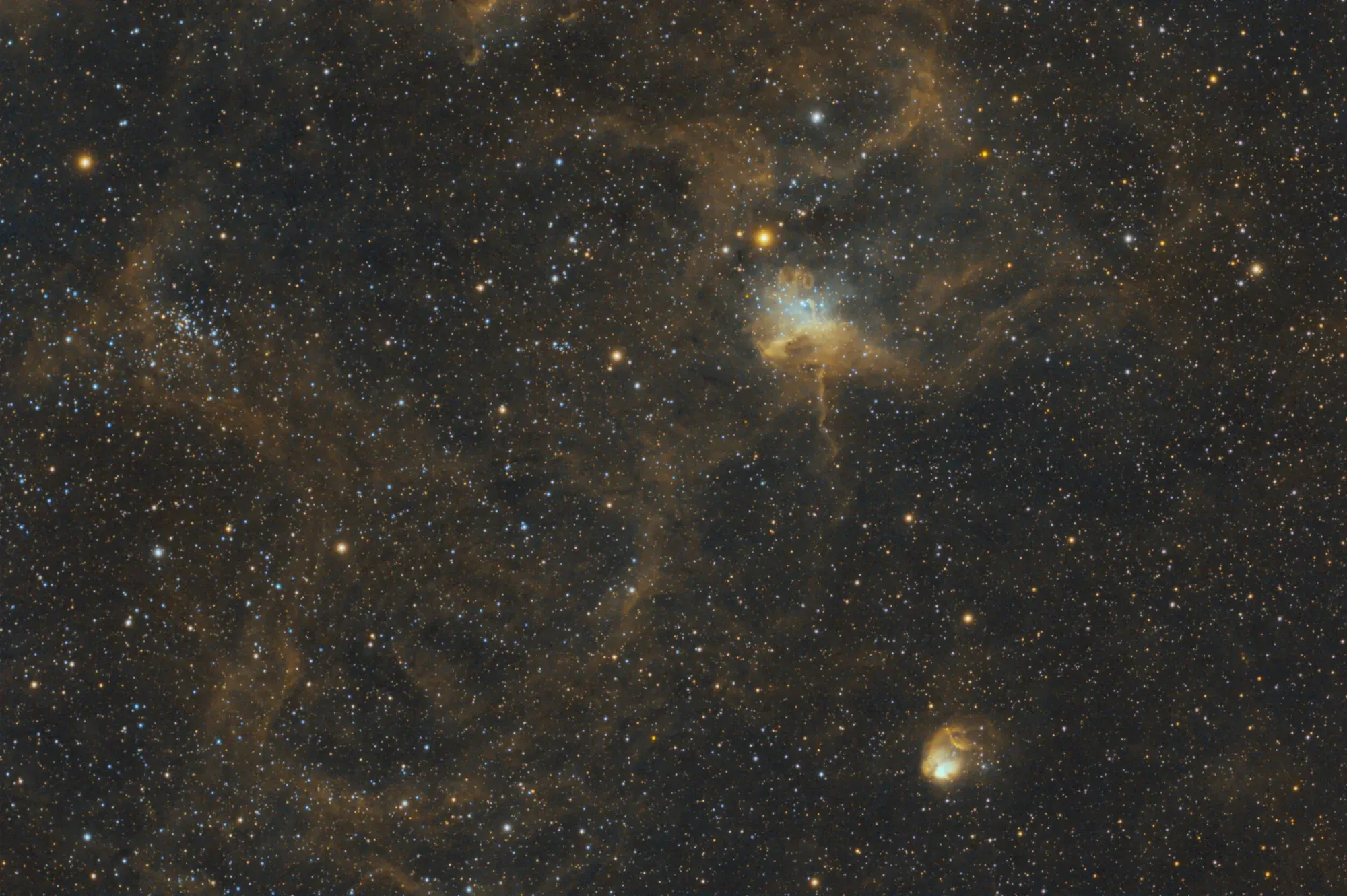
Image detailsFeb 1, 2021
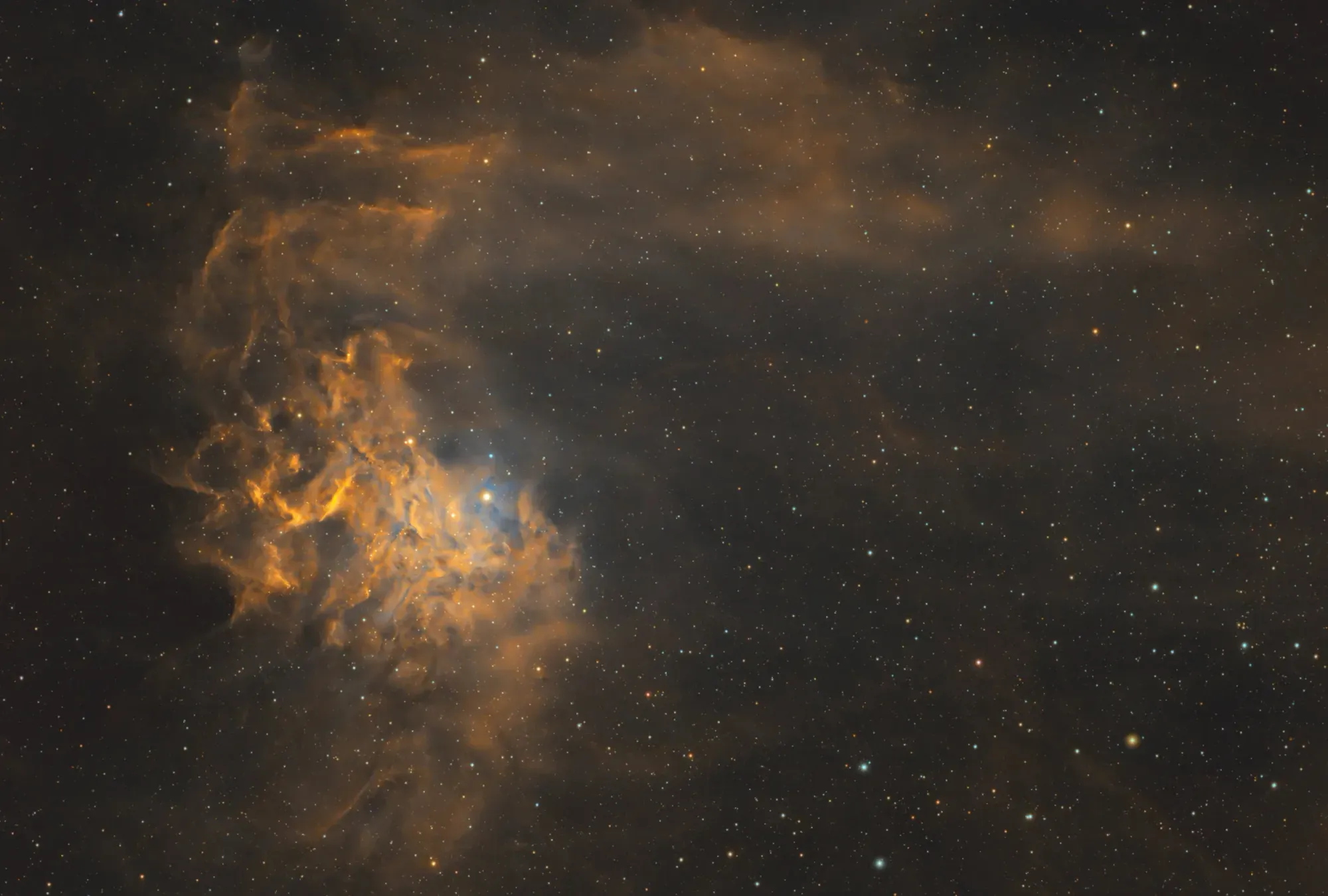
Image detailsJan 8, 2021
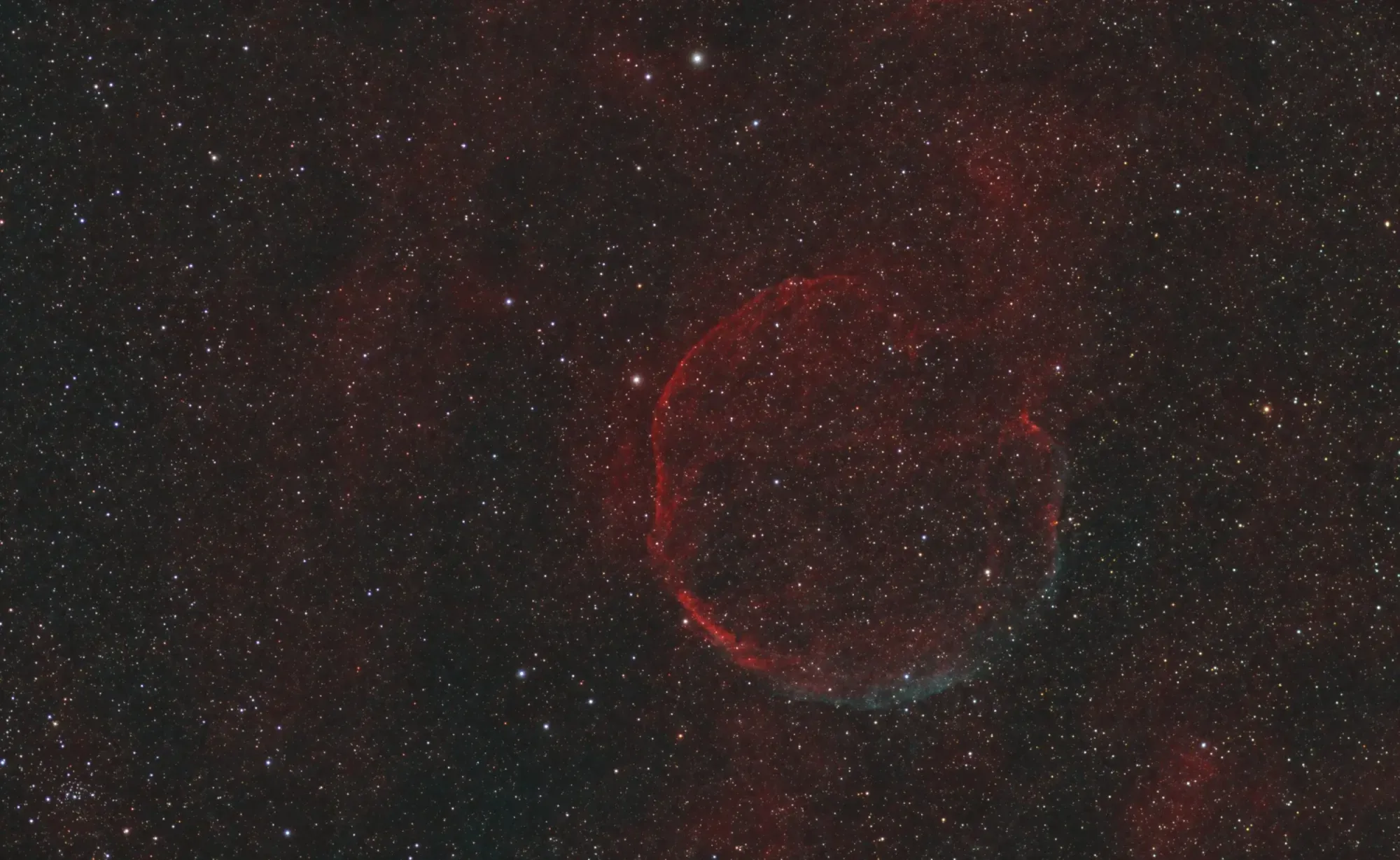
Image detailsDec 17, 2020
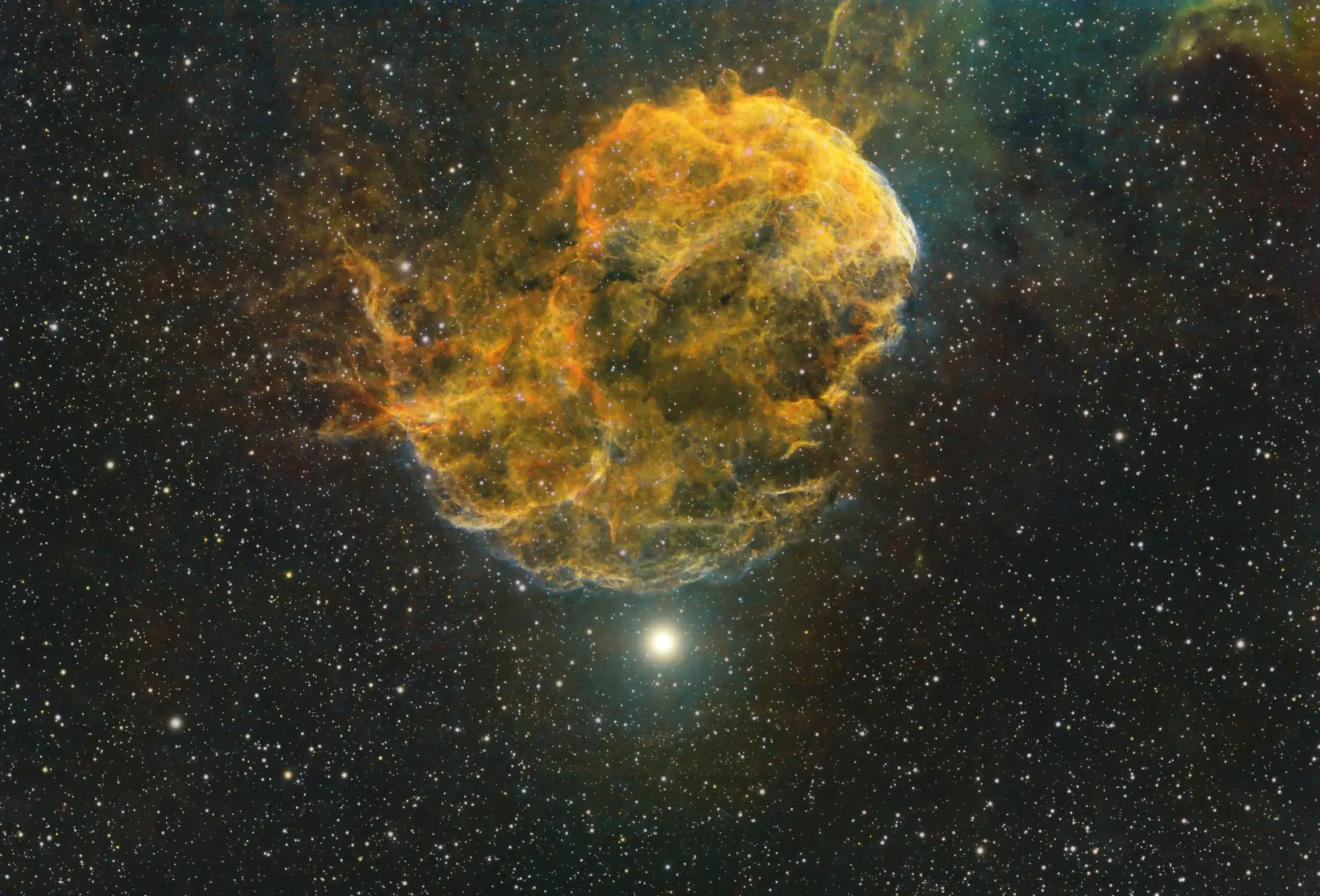
Image detailsDec 26, 2020
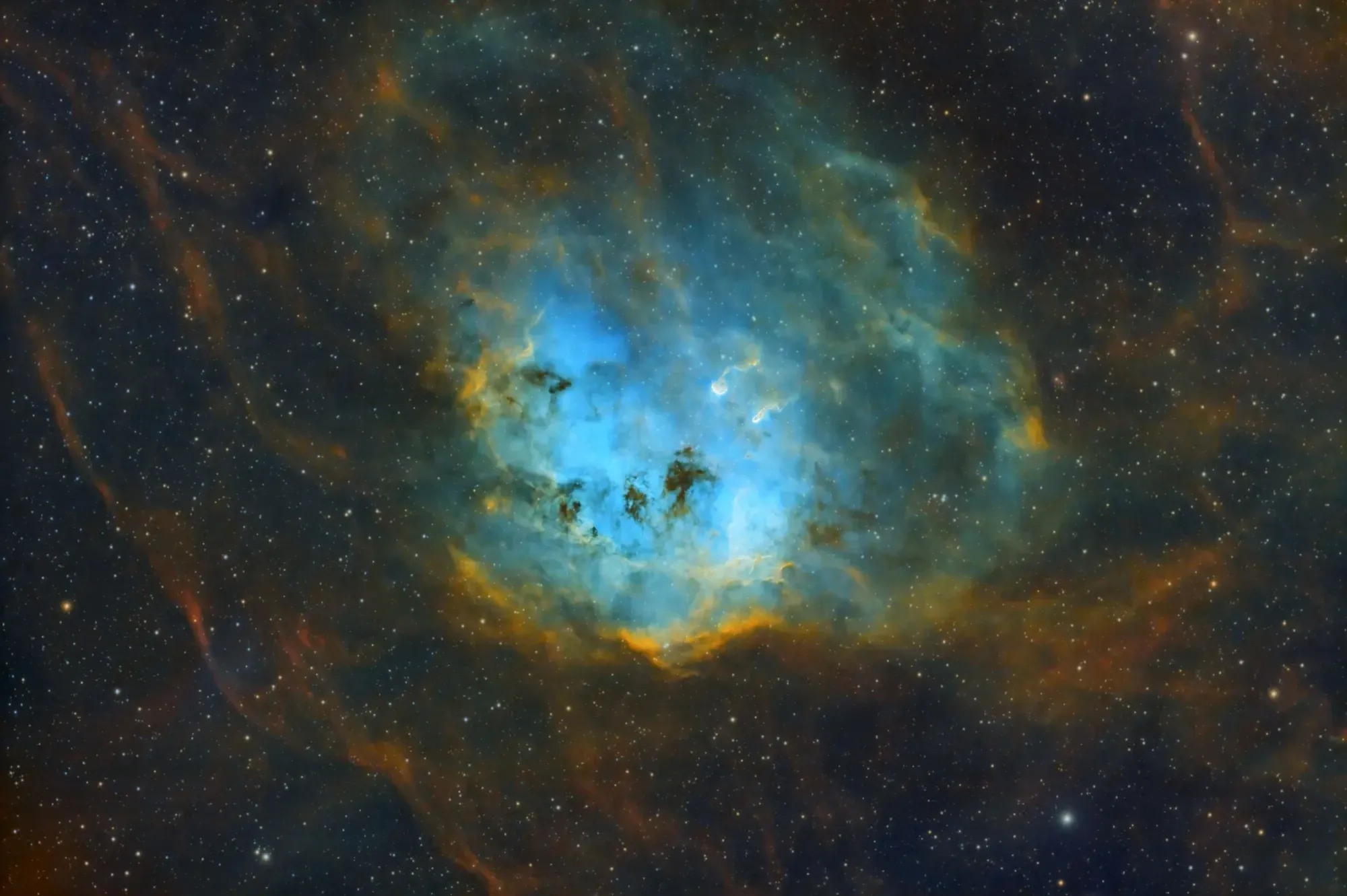
Image detailsDec 17, 2020
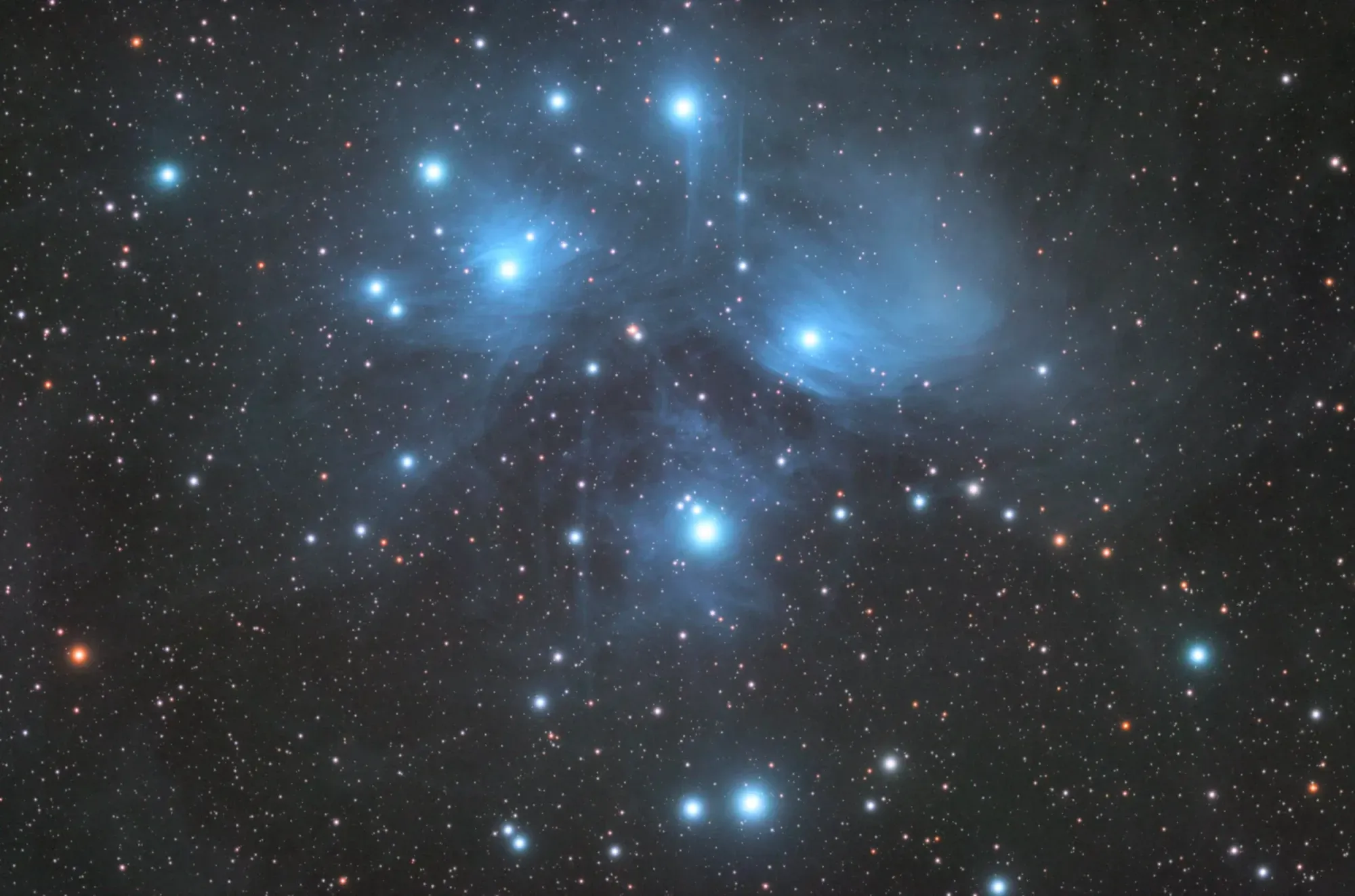
Image detailsDec 15, 2020
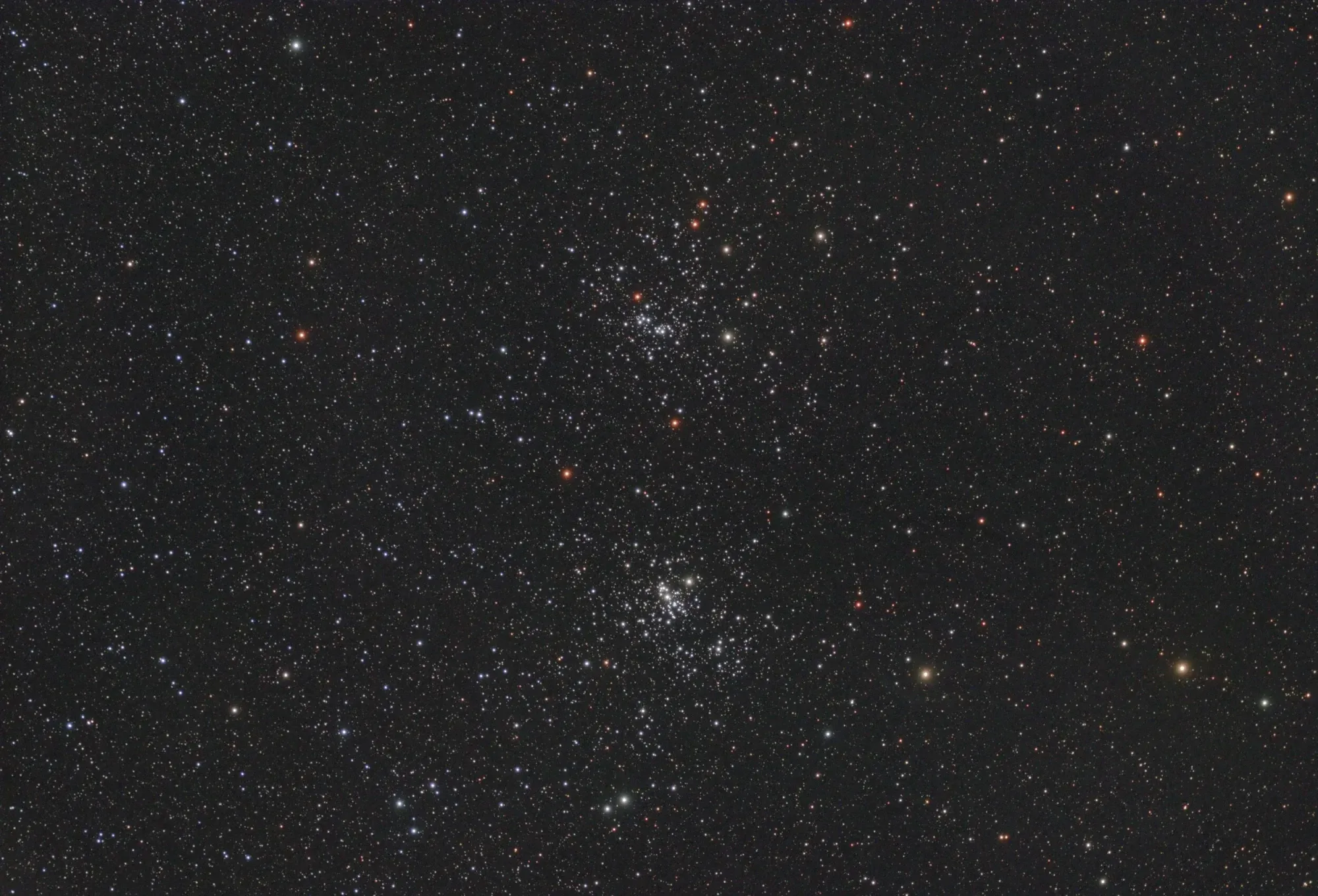
Image detailsDec 15, 2020
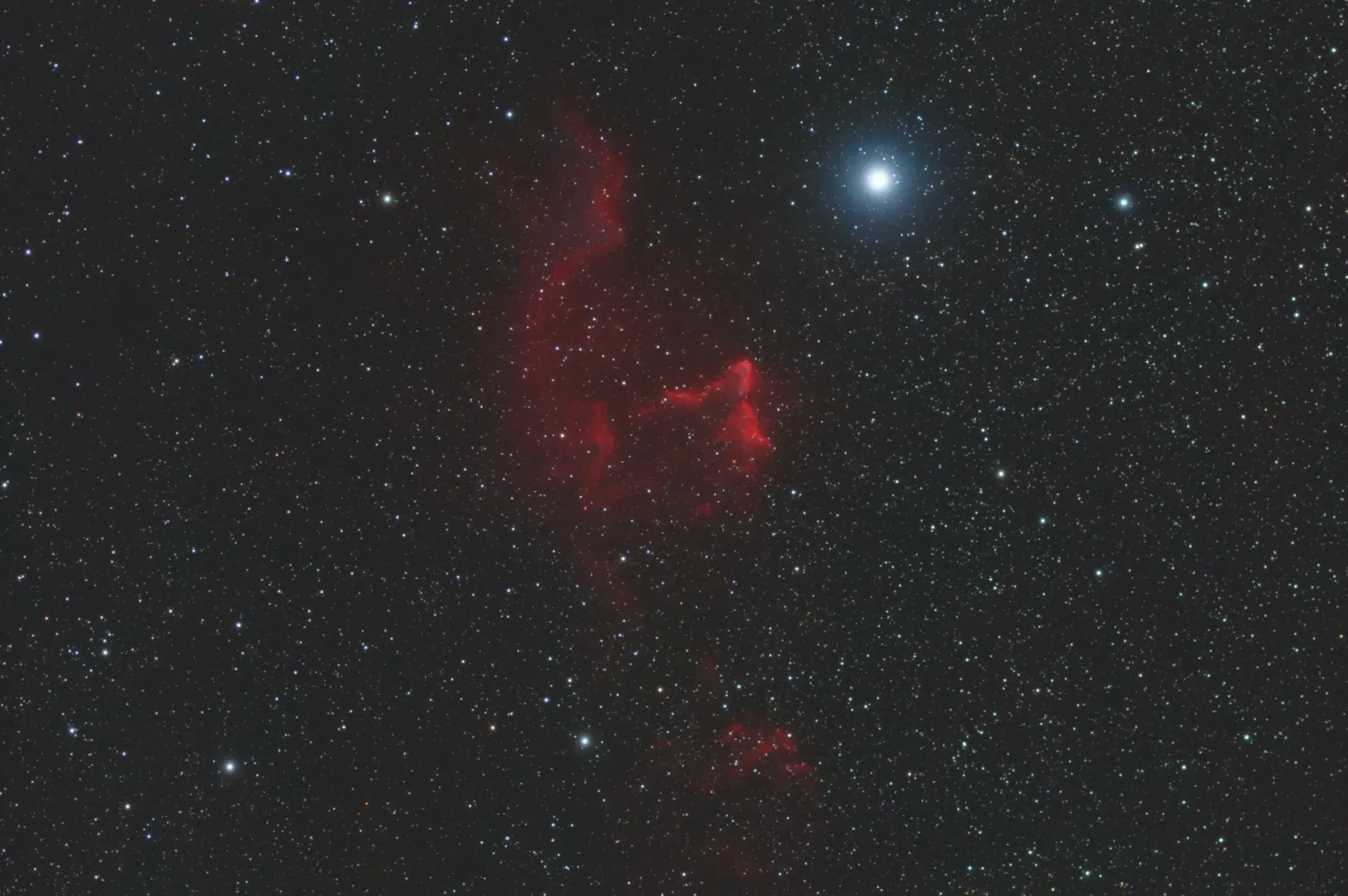
Image detailsNov 3, 2020
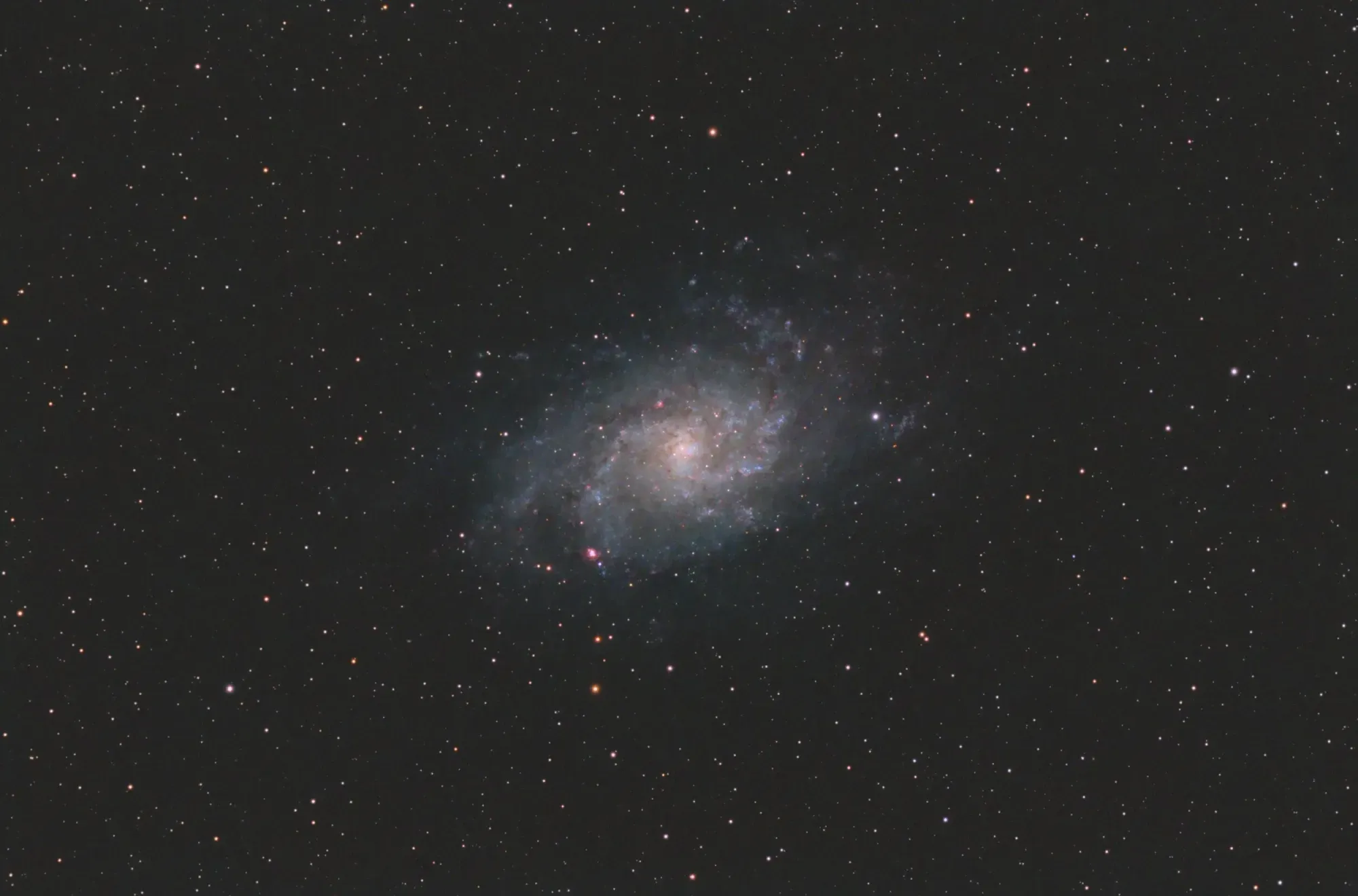
Image detailsNov 3, 2020
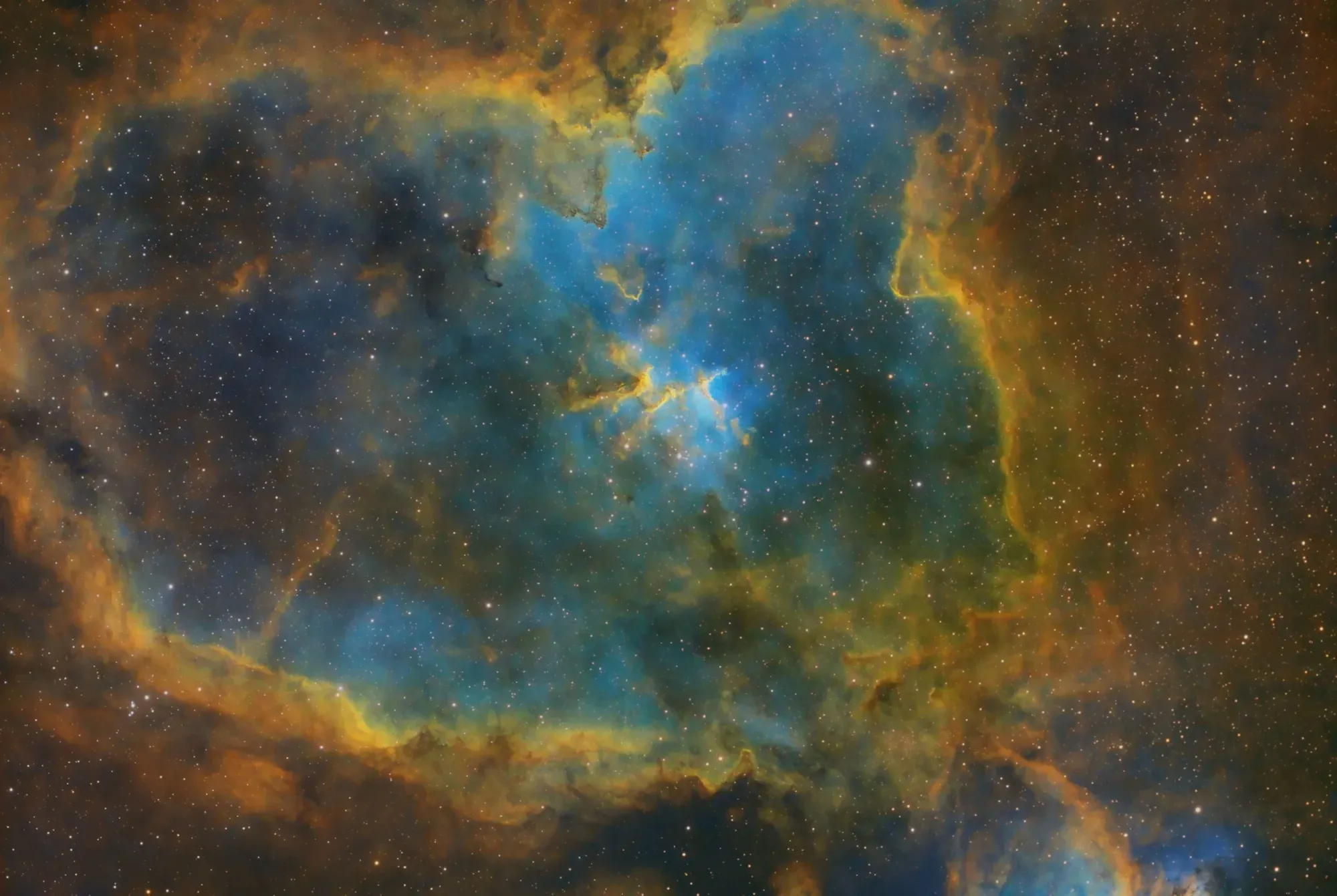
Image detailsNov 3, 2020
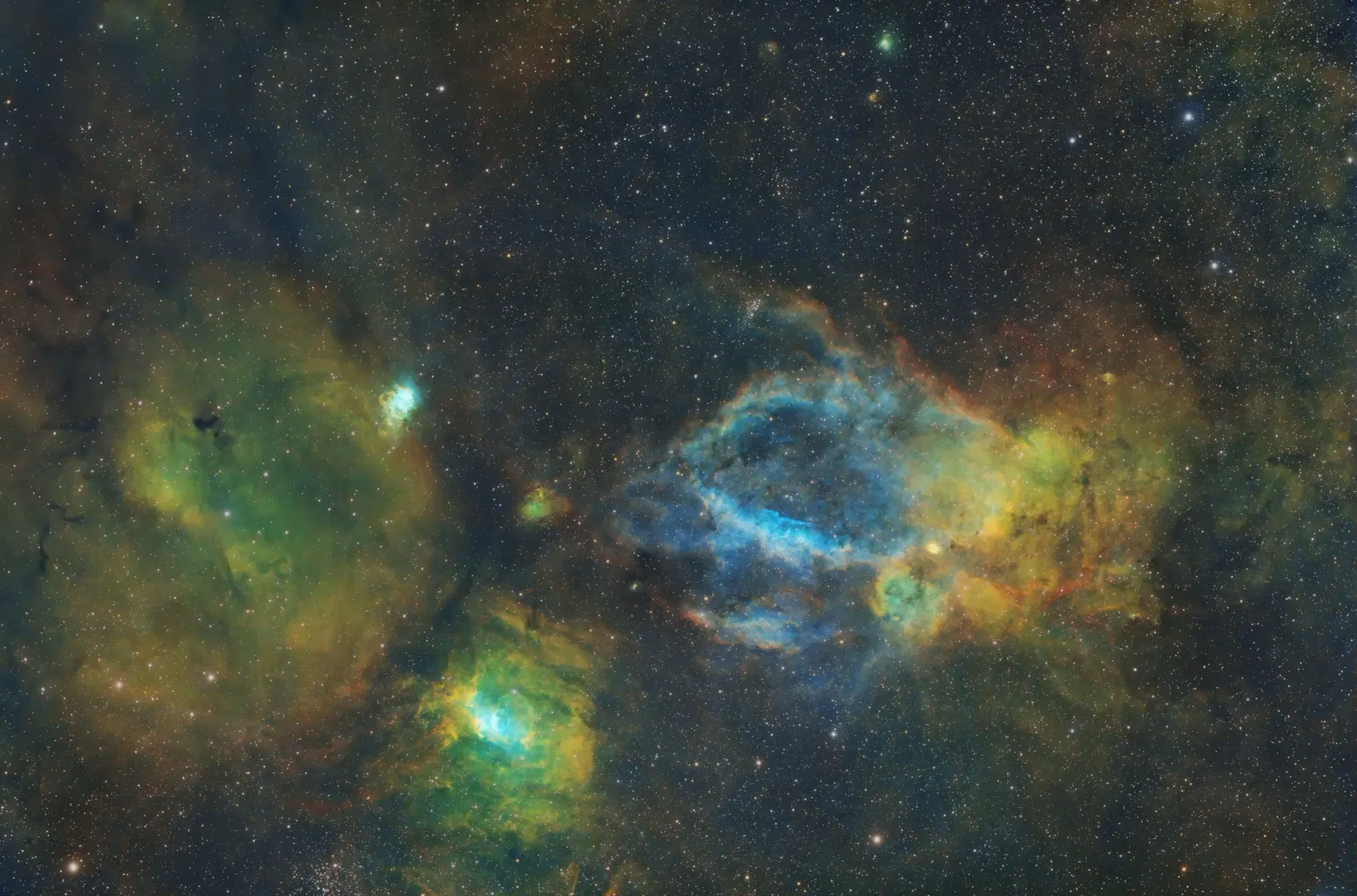
Image detailsOct 8, 2020
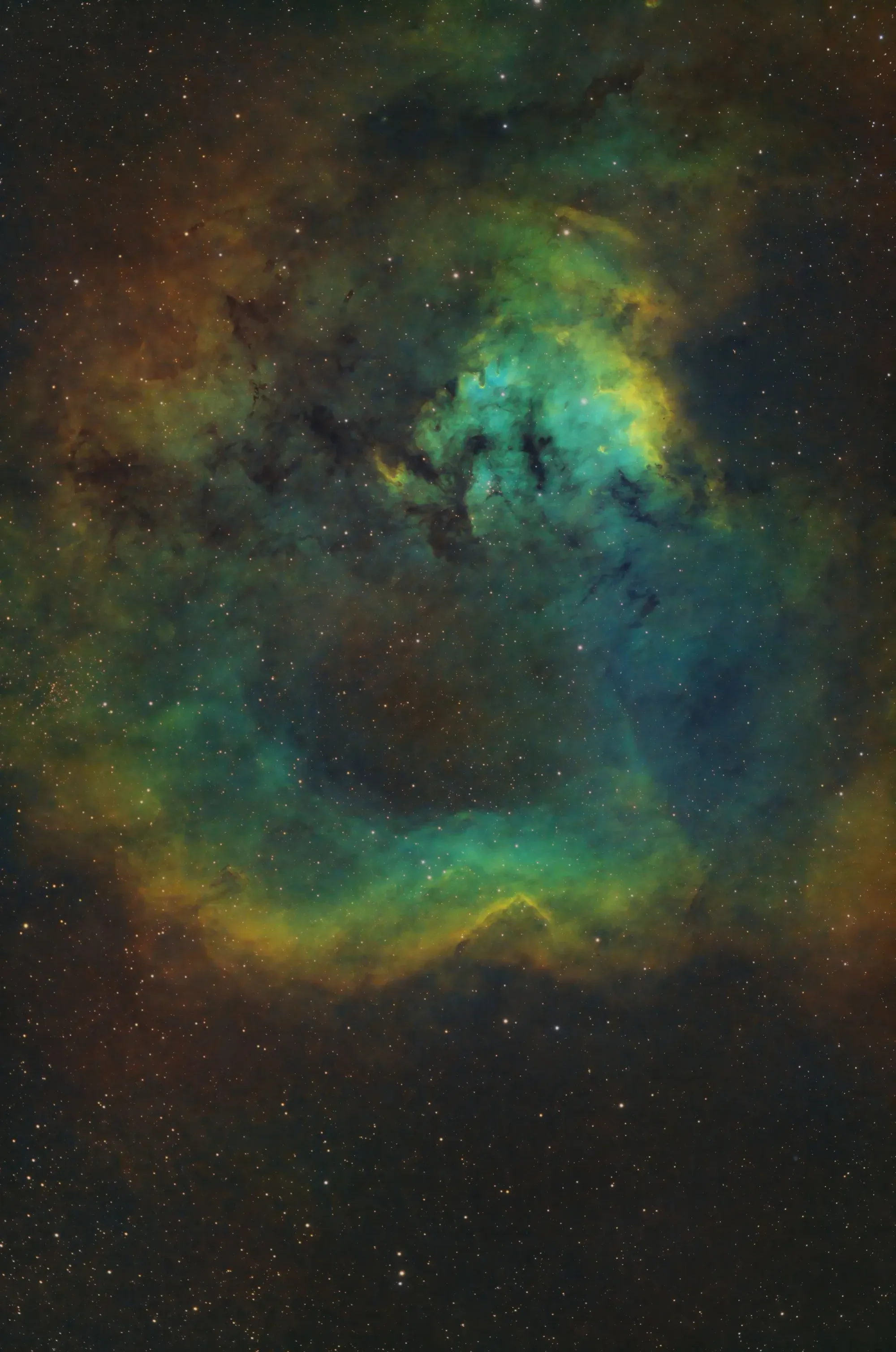
Image detailsOct 3, 2020
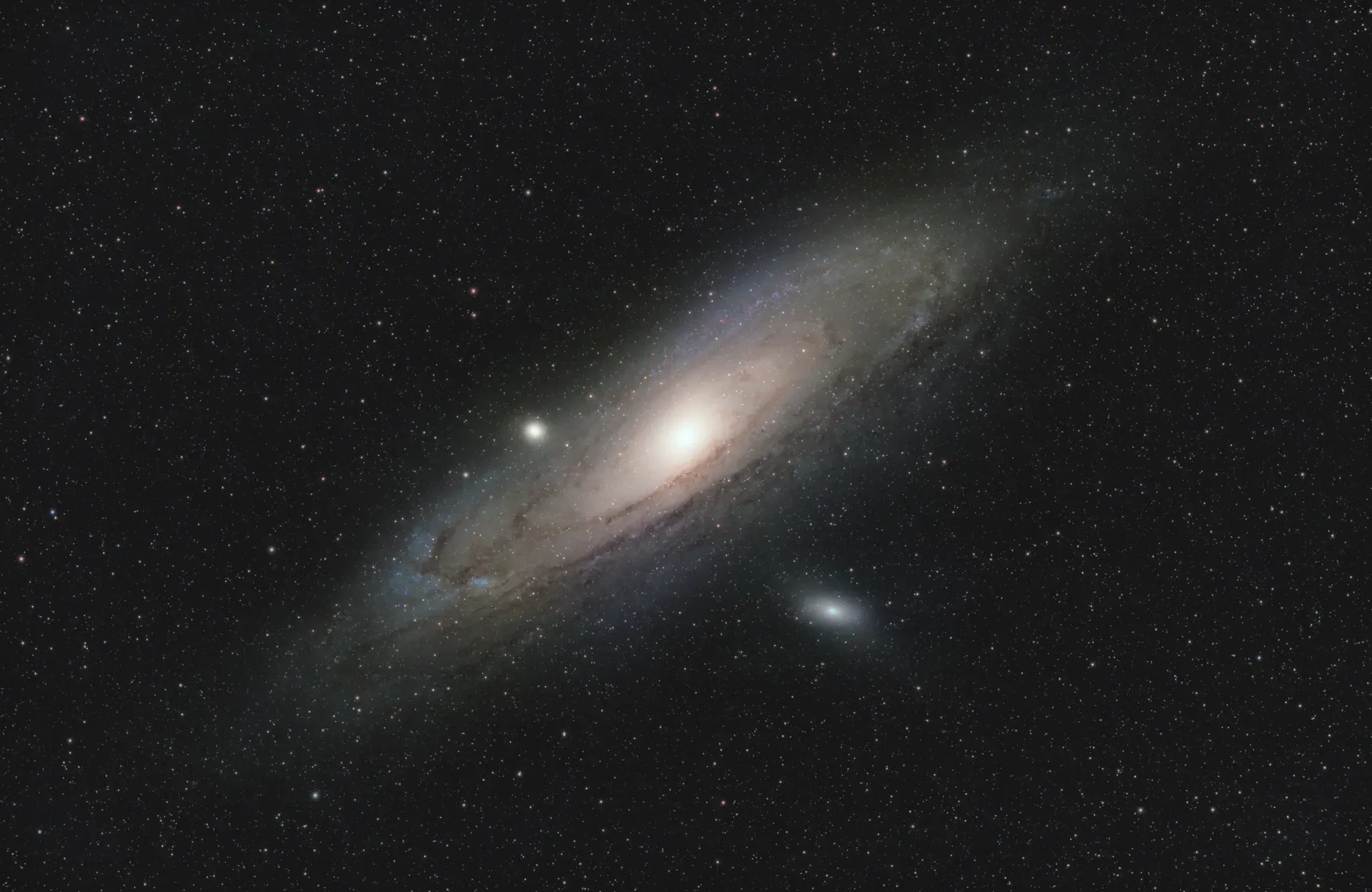
Image detailsOct 3, 2020
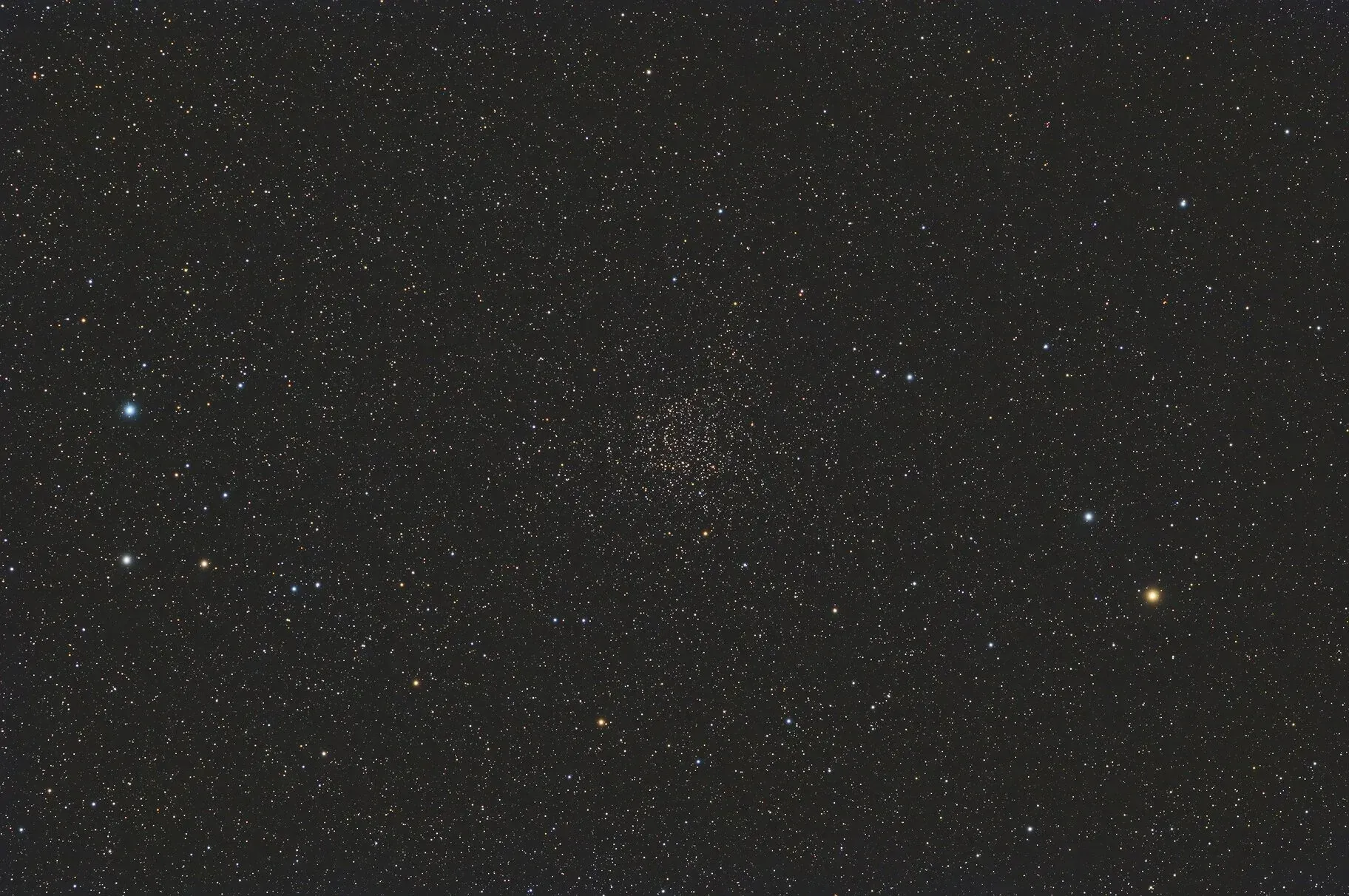
Image detailsAug 5, 2020
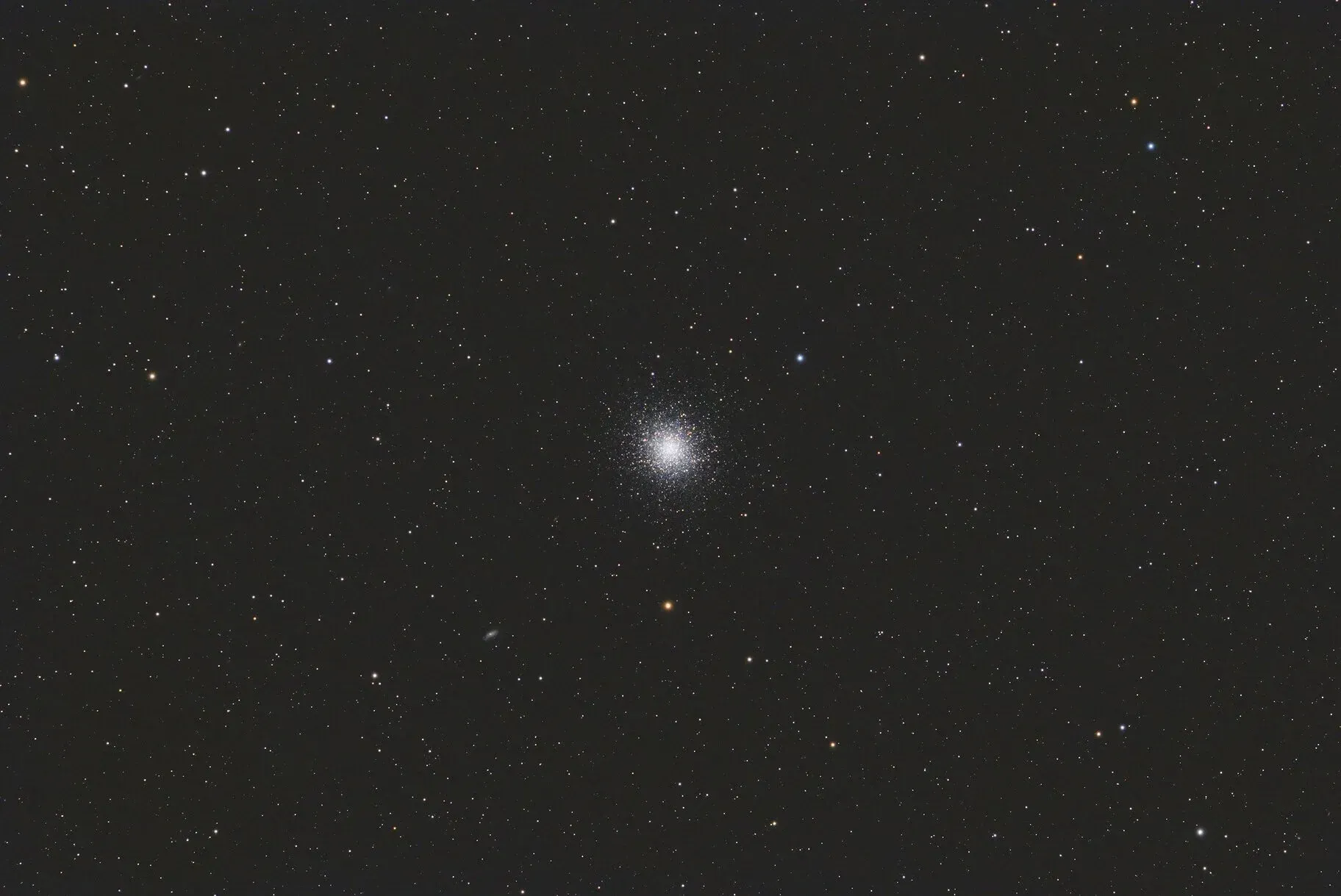
Image detailsAug 5, 2020